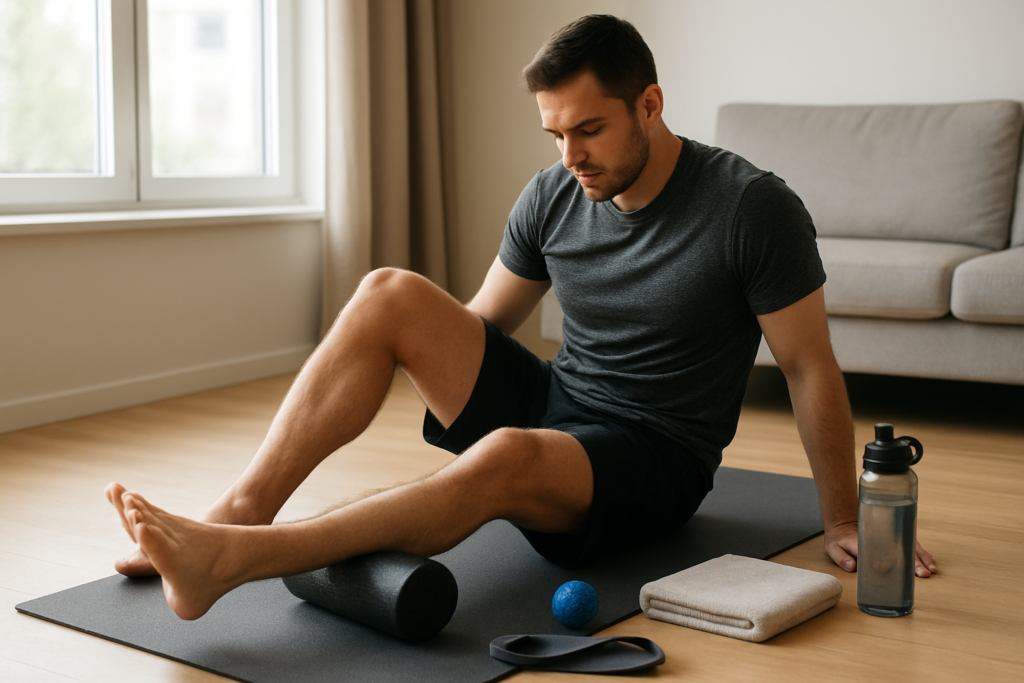
Best Recovery Tools for Sore Muscles: 7 Practical Picks for Home Use
Compare the best recovery tools for sore muscles, including foam rollers, massage guns, heat, compression, and mobility aids. Learn what each tool can and cannot do before you buy.

Compare the best recovery tools for sore muscles, including foam rollers, massage guns, heat, compression, and mobility aids. Learn what each tool can and cannot do before you buy.
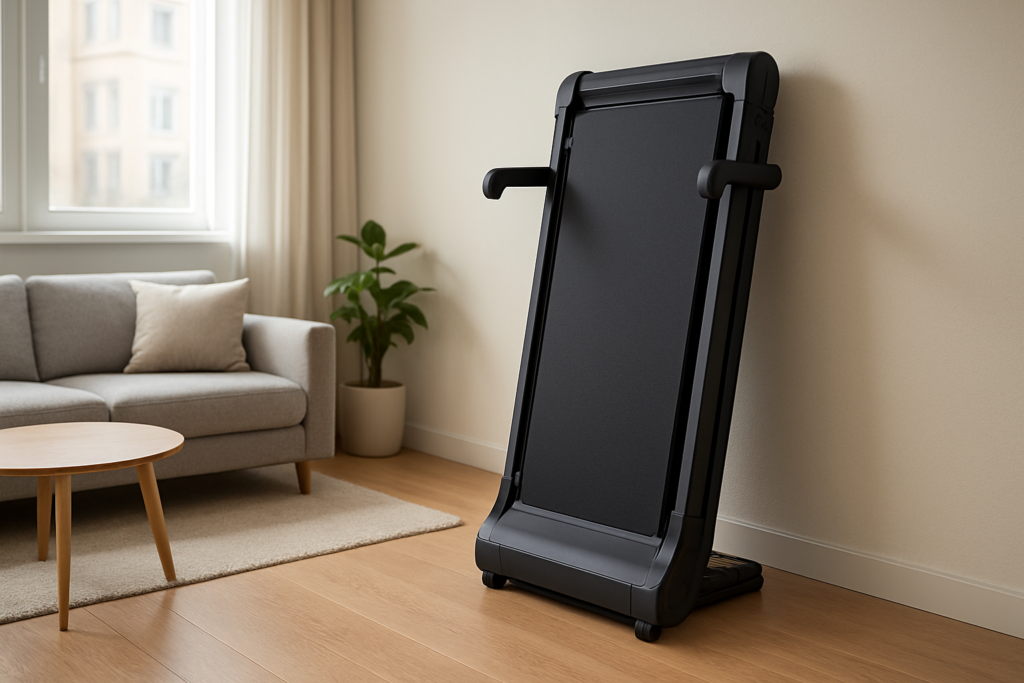
This foldable treadmills review for apartment workouts explains how to compare walking surfaces, noise, storage, safety, and workout features without relying on unverified product claims.
Walking is easier to sustain, while jogging burns more energy in less time. Compare the real tradeoffs and choose the approach you can perform consistently without excessive soreness or injury.
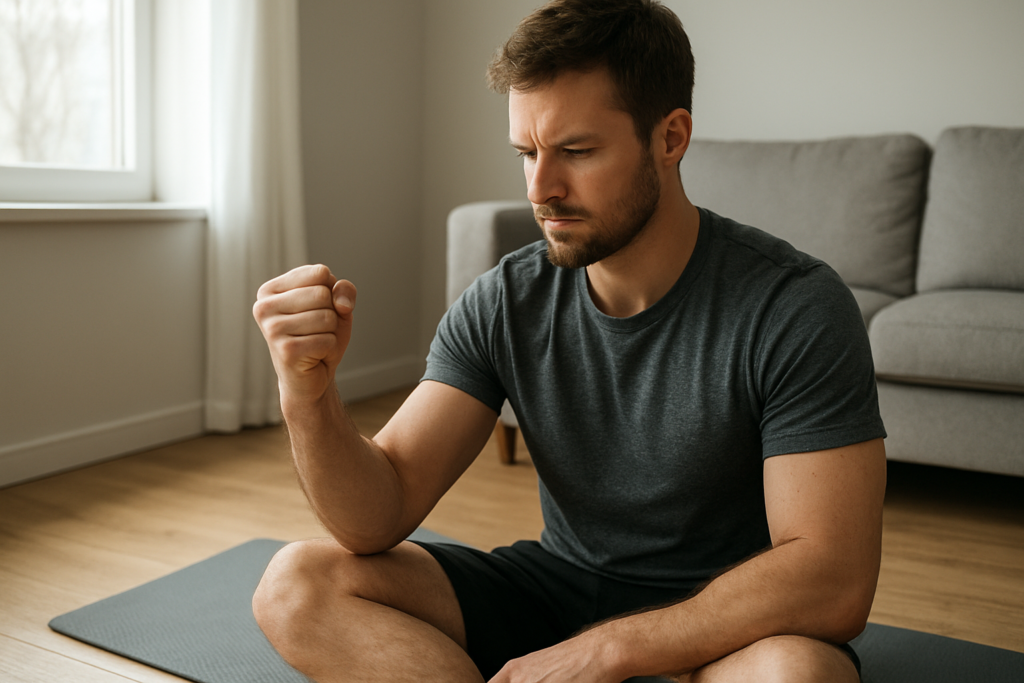
Learn how to improve grip strength without equipment using controlled isometrics, finger exercises, bodyweight holds, and a simple weekly progression plan.
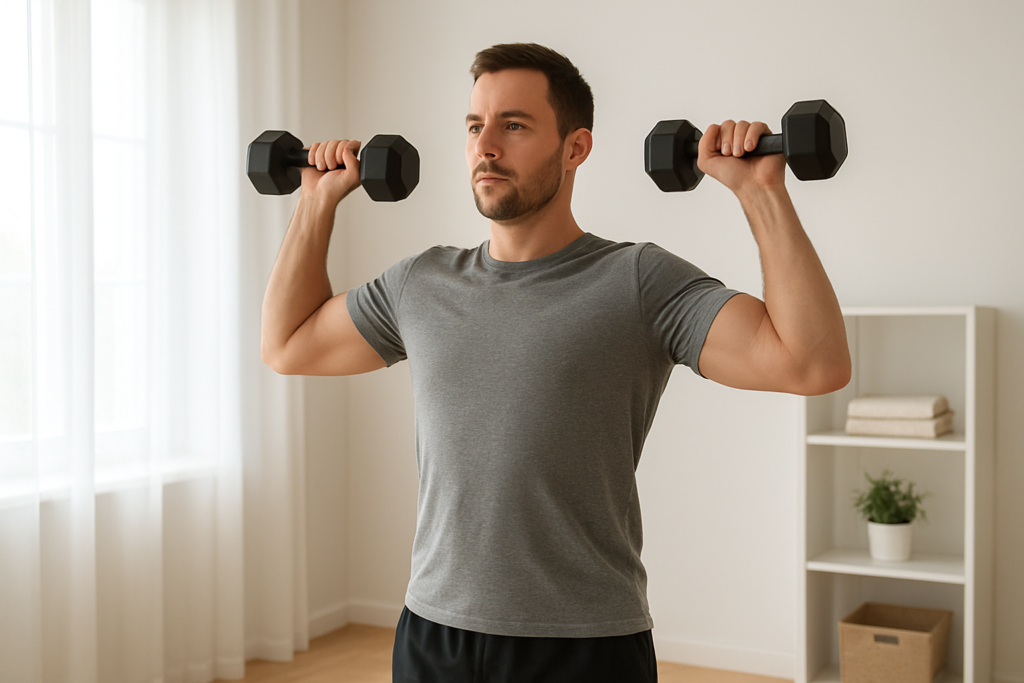
Build stronger, more developed shoulders at home with practical exercises for the front, side, and rear delts—using body weight, dumbbells, bands, or household equipment.
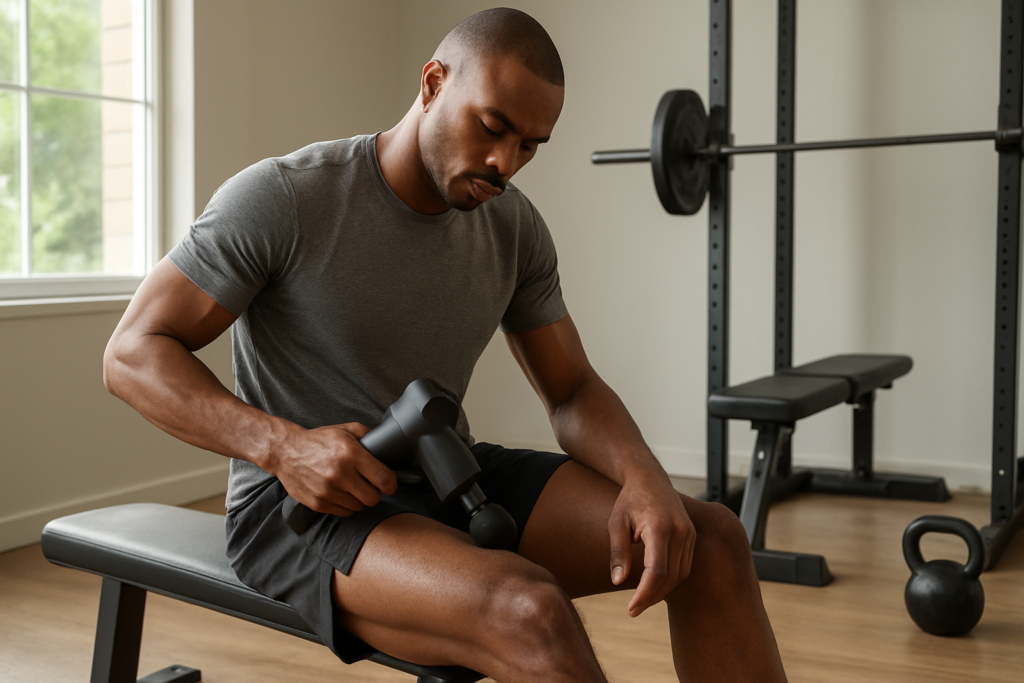
A practical, evidence-based comparison of massage guns for athletes, including performance claims, useful features, safety considerations, and buying mistakes to avoid.
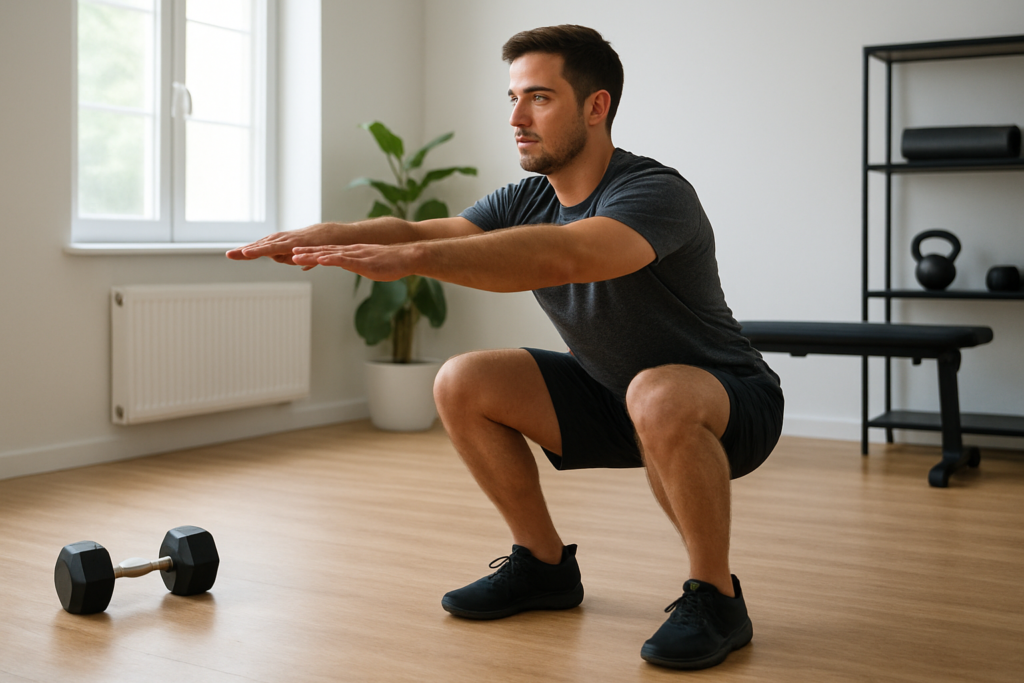
Calisthenics and weight training can both build strength, muscle, and confidence. This practical comparison explains the real tradeoffs and helps beginners choose the best starting point for their goals, equipment, schedule, and experience level.
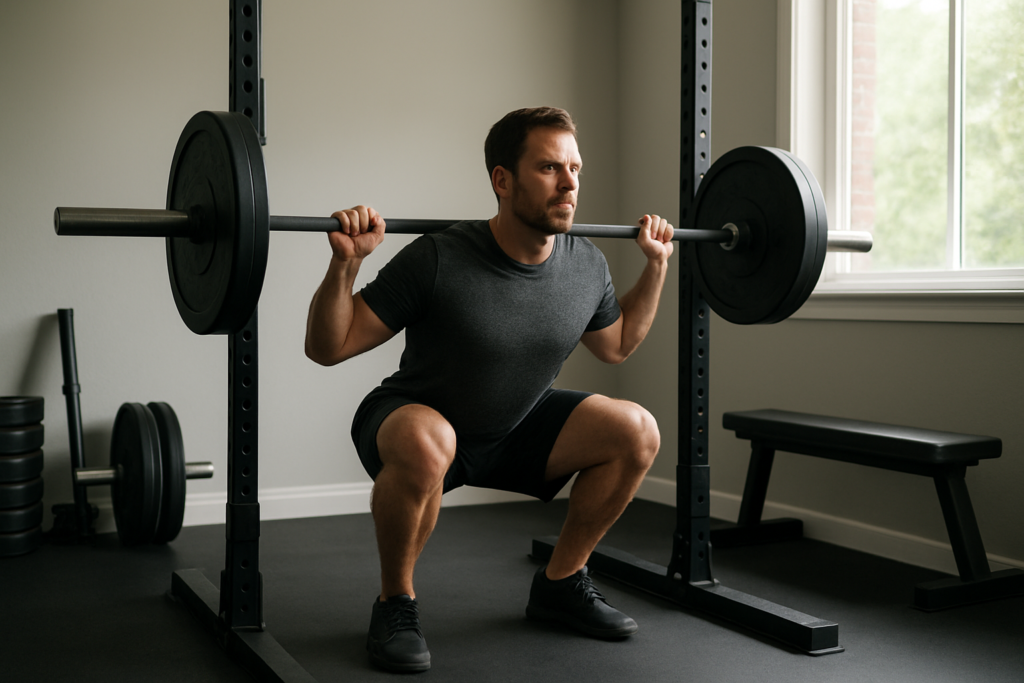
Learn how to perform barbell squats safely with the right rack setup, bracing, depth, spotting, and progression strategy. Use this practical checklist to build confidence before adding weight.
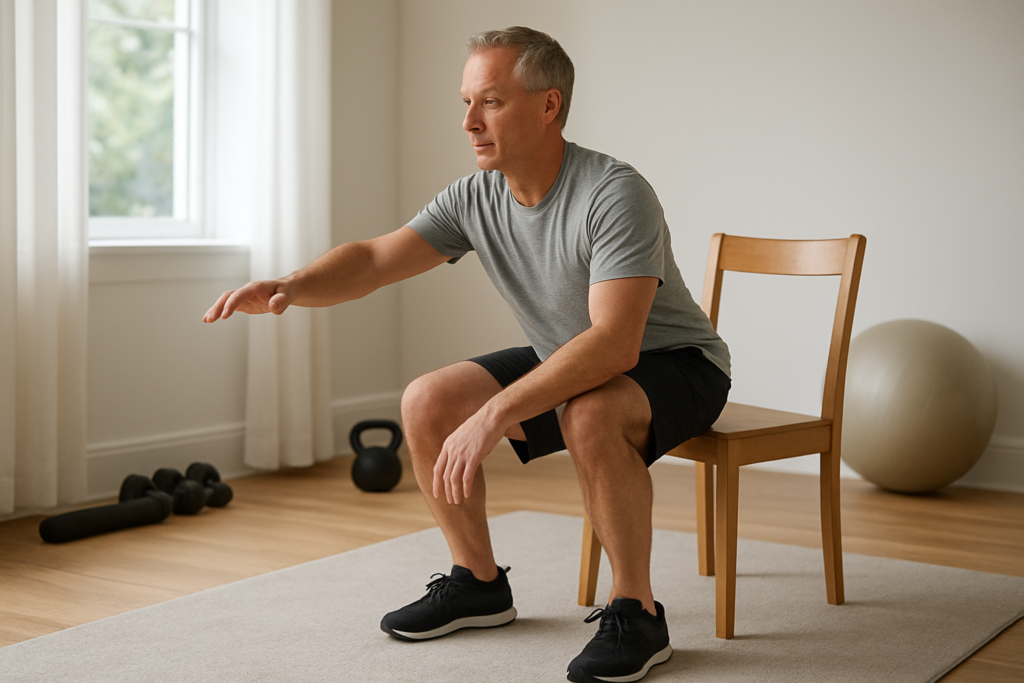
Find the best leg exercises for knee-friendly workouts, including supported squats, hip hinges, bridges, step-ups, and cycling-based options. Learn how to choose movements, adjust difficulty, and build a lower-body routine without ignoring pain signals.
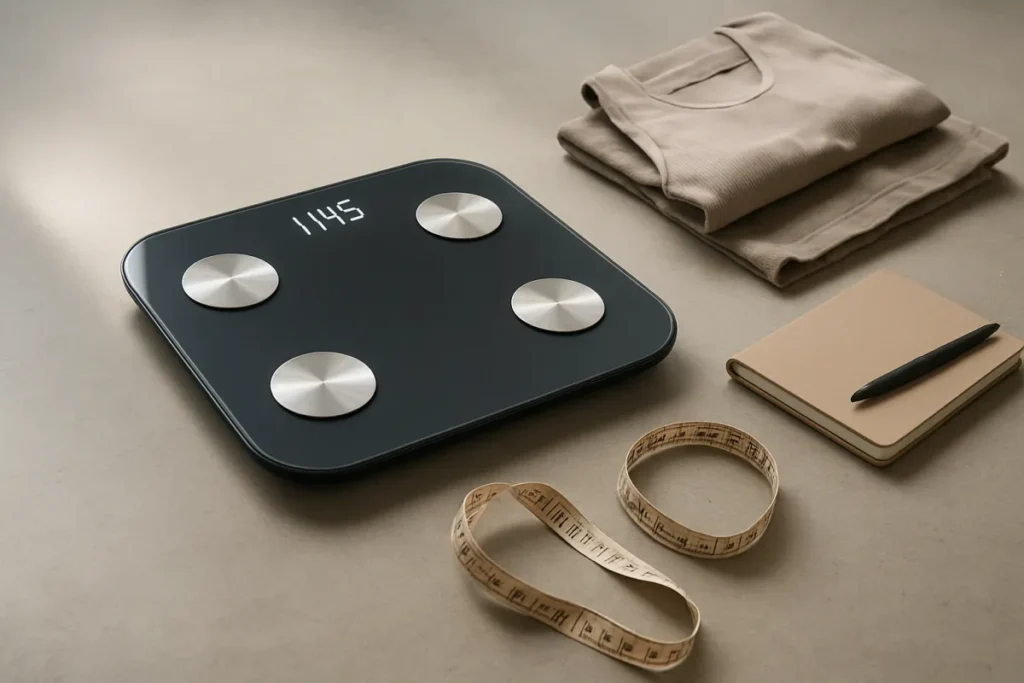
This smart scales review for tracking body composition explains how bioelectrical impedance works, which features matter, where readings can mislead you, and when a regular scale or professional assessment may be the better choice.