Quick verdict: Kettlebell swings are usually better for learning and repeating the classic swing pattern, while dumbbell swings are useful when dumbbells are the equipment you already have. Neither option is automatically superior for every goal. Your choice should depend on grip comfort, available space, training experience, loading options, and whether you want power practice or a simple conditioning exercise.
The main difference is not that one exercise magically builds more muscle. It is how the weight sits in your hands, how easily it moves between your legs, and how much control you have over the hinge. This guide compares kettlebell swings vs dumbbell swings using practical criteria so you can choose the safer and more useful option for your program.
1. Clarify what you want the swing to do
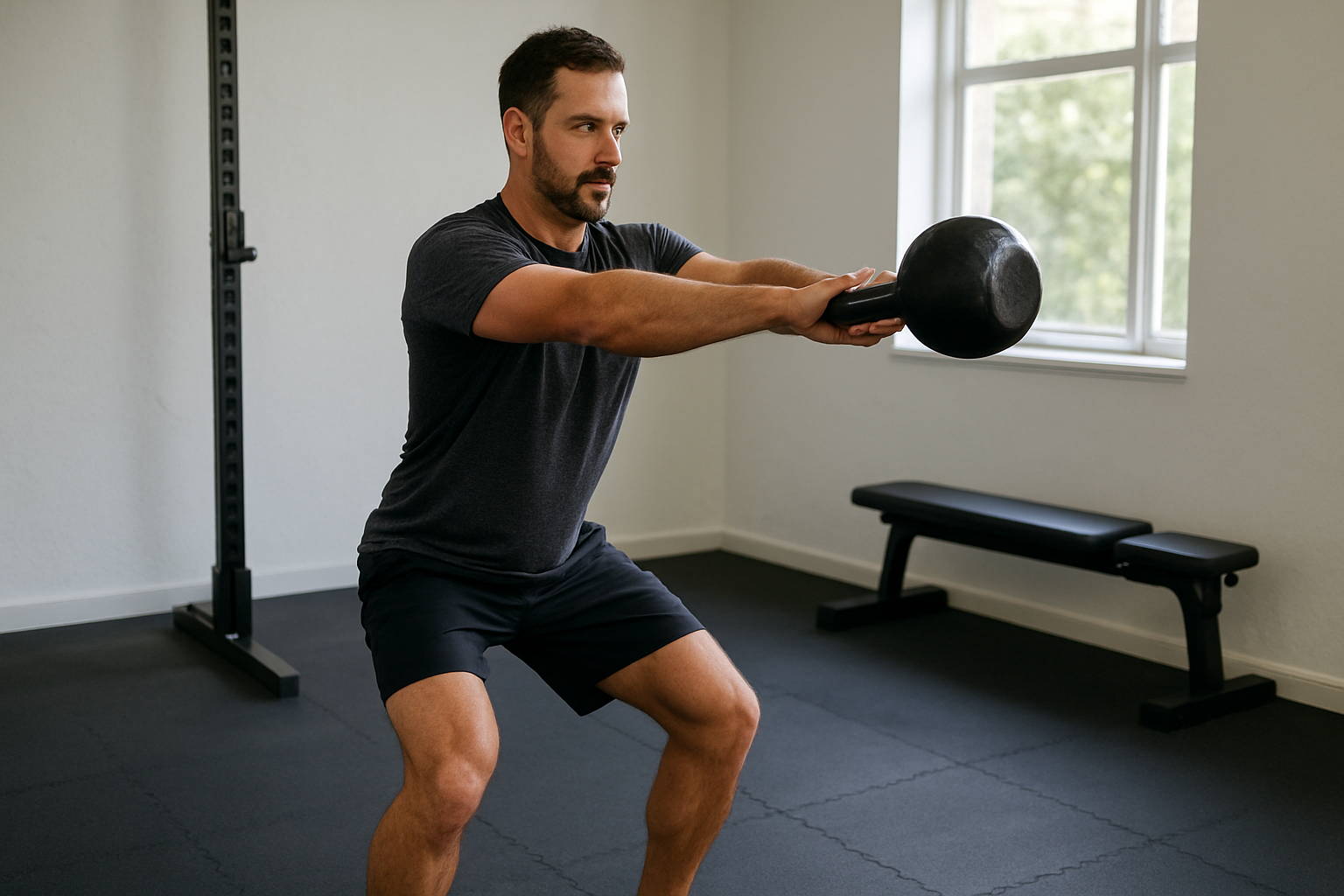
Both exercises are ballistic hip-hinge movements. Your hips and glutes create the force, while the arms guide the weight rather than lifting it like a front raise. A technically sound swing should feel driven by hip extension, not by squatting deeply or pulling the weight upward with the shoulders. The ACE exercise library’s swing guidance also emphasizes a straight back, a controlled backswing, and a powerful hip drive.
Before comparing equipment, identify your main reason for using swings:
- Power: You want fast, crisp hip extension and better coordination.
- Conditioning: You want short intervals that raise your heart rate.
- Strength endurance: You want repeated hinge work without using a barbell.
- General training: You need a convenient full-body movement for a home workout.
For muscle gain, swings can contribute to training volume, but they are not a complete replacement for slower strength exercises. Your wider plan should still include movements that let you progressively add resistance or repetitions with consistent technique. The LaokFitness progressive overload guide can help you organize that progression.
2. Compare the equipment and movement path
A kettlebell has a handle above a compact mass. That design allows the bell to travel close to your body during the backswing and then float forward as your hips extend. A dumbbell has handles between or at the ends of its weight plates, so its shape can feel less predictable during the same movement.
With a single dumbbell, many people hold one end with both hands. That can work, but the plates may touch your thighs or floor sooner than a kettlebell. Holding the dumbbell by the handle can create a different balance and may be less comfortable for two-handed swings, especially if the handle is short.
The result is a practical distinction: kettlebells tend to make the conventional two-handed swing easier to repeat, while dumbbells offer flexibility but may require more attention to clearance and grip.
Here is the side-by-side comparison that matters most in everyday training.
| Factor | Kettlebell swing | Dumbbell swing | What to look for | Warning sign |
|---|---|---|---|---|
| Weight position | Compact mass below the handle | Weight is spread around or beyond the handle | The load stays centered and follows a smooth path | The weight twists, bumps your legs, or pulls you forward |
| Grip | Usually comfortable with two hands | Depends heavily on the dumbbell shape and handle length | You can keep a secure but relaxed grip | White-knuckle gripping or slipping during the backswing |
| Learning curve | Often easier to understand as a dedicated swing tool | Familiar for people who already use dumbbells | You can hinge without turning the movement into a squat | You lift with your arms or bend your spine |
| Loading options | Often requires access to several kettlebells or an adjustable model | Commonly available in many fixed weights | Small, manageable increases are available | You jump to a heavier weight because the next option is too large |
| Best practical use | Power practice, intervals, and repeated swings | Substitution, home workouts, and familiar equipment | The implement matches your space and training goal | You cannot control the weight at the top or bottom |
3. Decide which version fits your body and skill level
Why a kettlebell may feel better
The kettlebell’s handle gives your hands room to stay together while the weight moves around them. This usually makes it easier to keep the arms relaxed and let the hips provide the momentum. It also supports the standard swing setup used in many coaching resources.
A kettlebell may be the better starting point if you are learning the movement, want to practice power, or plan to use swings regularly. Beginners should still learn the hip hinge first with a drill such as a wall tap or unloaded hinge.
Why a dumbbell may be the better choice
Dumbbells make sense when you already have a suitable weight and do not want to buy another piece of equipment. They can also be useful if a kettlebell handle irritates your wrists or if you prefer the neutral feel of a dumbbell grip.
However, not every dumbbell is equally suitable. A long adjustable dumbbell, large rubber hex dumbbell, or awkwardly shaped weight may limit the backswing. Test the range with a light load before using it for fast repetitions.
If you are building a small home gym, compare the equipment with your other needs. An adjustable kettlebell may save space, while dumbbells may be more useful for presses, rows, and the no-bench dumbbell chest exercises you already plan to perform.
4. Use technique as the deciding factor
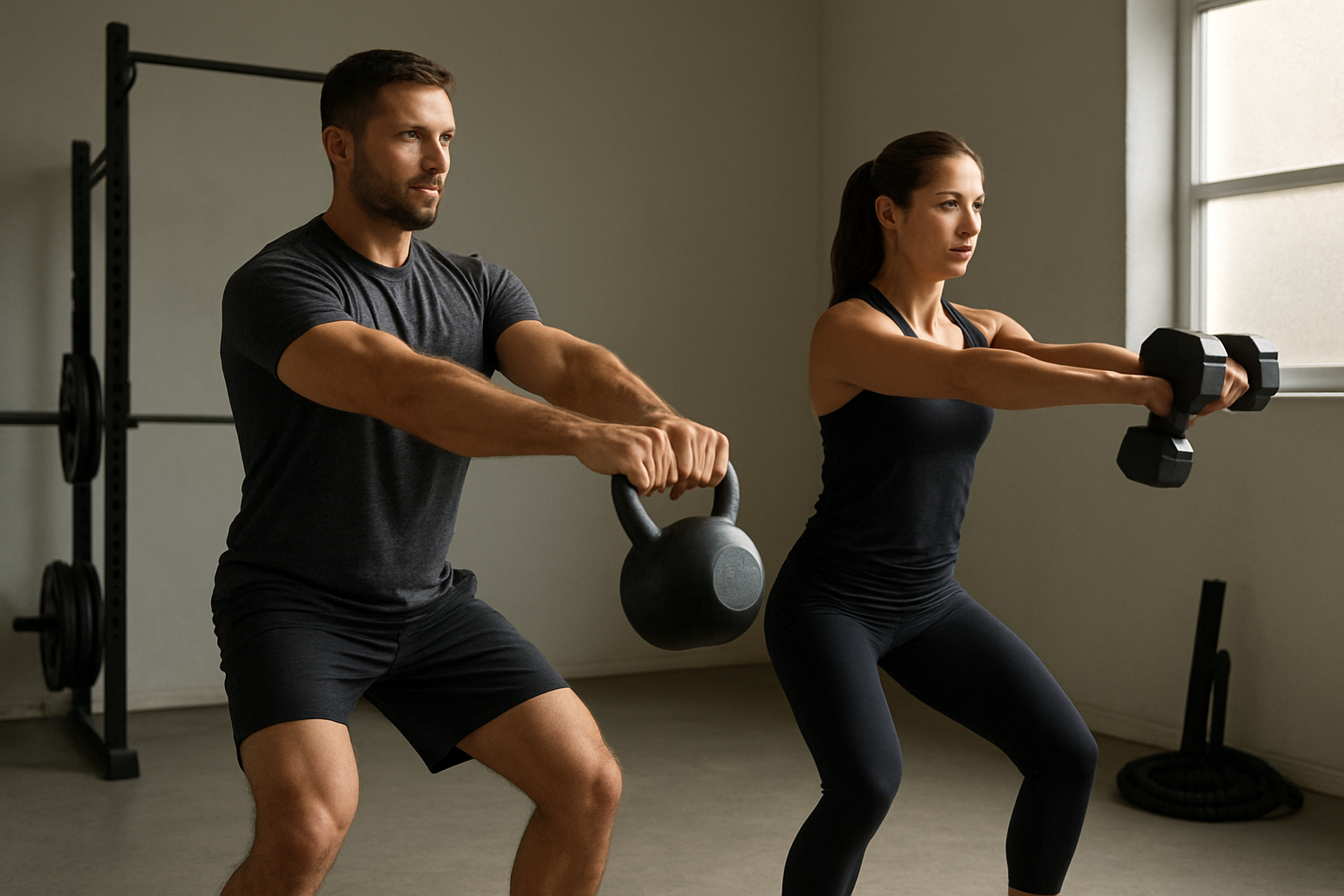
The correct setup is similar for both versions: place the weight slightly in front of you, soften your knees, push your hips back, and keep your spine stable. Hike the weight toward the space behind you, then drive your feet into the floor and snap the hips forward. Let the weight rise only as high as your hip drive carries it.
Do not force the weight overhead during a standard swing. At the top, your body should be tall, your glutes engaged, and your ribs controlled rather than flared. The LaokFitness kettlebell swing form guide provides a step-by-step practice sequence that can also be adapted to a dumbbell substitute.
For either implement, stop the set when the movement changes. Common signs include a rounded lower back, excessive knee bend, shrugged shoulders, a loud landing, or a weight that drifts away from your body.
5. Match the exercise to your training scenario
- Choose kettlebell swings for power intervals: The compact load and familiar handle make repeated hip-driven swings easier to organize.
- Choose dumbbell swings for a no-purchase home workout: Use the dumbbell you already own if it allows a safe range of motion.
- Choose kettlebells for regular swing practice: A dedicated tool may offer better consistency from session to session.
- Choose dumbbells for mixed strength sessions: The same equipment can support rows, presses, carries, and lunges.
- Choose neither yet if your hinge is not ready: Practice unloaded hinges, bridges, and controlled deadlift patterns first.
For general health, resistance training is only one part of a complete routine. The American College of Sports Medicine’s physical activity guidance supports combining resistance work with regular aerobic activity and a sustainable schedule.
6. Avoid the most common decision mistakes
Common mistakes
- Choosing by weight alone: A heavier implement is not better if it changes your hinge or grip.
- Using a dumbbell that is too wide: Plates can interfere with your legs and reduce control.
- Turning the swing into a squat: Too much knee bend reduces the hip-dominant nature of the movement.
- Assuming arm fatigue means good form: Your glutes and hamstrings should do most of the driving.
- Progressing before consistency: First make every repetition controlled, then add volume or load.
- Ignoring the floor and surroundings: Clear the area and use a stable, non-slip surface.
7. What if the swing does not feel right?
If your lower back feels strained: reduce the weight, shorten the set, and return to a slower hinge drill. Persistent or severe pain should not be treated as normal training discomfort. Seek advice from a qualified clinician or physical therapist, especially if pain travels down a leg, causes numbness or weakness, or follows an injury. The NHS back-pain guidance outlines warning signs that warrant medical attention.
If your grip fails first: use a lighter load, reduce repetitions, and check that you are not squeezing excessively. A dumbbell may feel more secure for some lifters, while a kettlebell may be easier for others.
If the weight hits your legs: check that you are hiking it back between the thighs rather than dropping it straight down. If the implement is too large or awkward, switch equipment instead of forcing the pattern.
If you cannot control the top position: stop the set lower, around chest height, and focus on standing tall without leaning backward.
8. A simple checklist before you choose
- Can you perform a hip hinge without rounding your back?
- Can the weight pass between your legs without hitting your knees or thighs?
- Can you keep your shoulders relaxed and your grip secure?
- Do you have enough room to swing safely in front and behind you?
- Can you progress gradually without making large jumps in load?
- Does the equipment support your wider training plan?
Begin with two or three short sets using a light-to-moderate weight. Rest long enough to regain control, and record whether your final repetitions look like your first ones. If technique deteriorates quickly, the answer is usually less load or fewer repetitions—not a different speed.
9. Final verdict: kettlebell or dumbbell?
For most people specifically comparing kettlebell swings vs dumbbell swings, the kettlebell is the better dedicated swing tool. Its shape generally supports a smoother two-handed path and makes it easier to practice the classic hip-driven movement.
The dumbbell remains a sound alternative when cost, availability, or equipment preference matters more. Choose it when you already have a suitable dumbbell and can perform the movement without contact, twisting, or loss of control.
Your conditional answer is simple: buy or use a kettlebell if swings are a central part of your training; use a dumbbell if swings are an occasional exercise inside a broader dumbbell routine. In either case, prioritize a repeatable hinge, a manageable load, and steady progression over the label on the equipment.