The best recovery tools for sore muscles are usually a simple combination of gentle movement, a suitable massage tool, and heat or cold used for a clear purpose. For most people, a foam roller or massage ball is the most affordable starting point, while a massage gun is useful when you want quicker, more targeted pressure.
Muscle soreness after unfamiliar or demanding exercise is common, but no recovery device replaces sleep, adequate food, hydration, and sensible training progression. This guide compares seven practical options, explains their limitations, and helps you choose a tool that matches your soreness, budget, and training routine.
1. Compare the best recovery tools for sore muscles
The right choice depends less on the number of features and more on where you feel discomfort, how much control you want, and whether you need a portable option. The rankings below are category recommendations rather than claims that one product suits every athlete.
Use this table as a quick filter before reading the detailed assessments.
| Rank | Recovery tool | Best for | Main advantage | Important limitation |
|---|---|---|---|---|
| 1 | Foam roller | Large muscle groups | Simple, affordable, and versatile | Can be uncomfortable and difficult to use precisely |
| 2 | Massage gun | Targeted, time-efficient sessions | Adjustable pressure and speed | Easy to overuse or apply in unsuitable areas |
| 3 | Massage ball | Feet, glutes, shoulders, and upper back | Precise pressure in a compact form | Less suitable for broad areas |
| 4 | Heat wrap or heating pad | Stiffness and relaxation | Comforting and easy to use | Does not repair an injury or solve the cause of pain |
| 5 | Cold pack | Short-term comfort after irritation | Can reduce the sensation of heat and discomfort | Benefits are temporary and skin needs protection |
| 6 | Compression sleeves | Support during travel or light activity | Portable and low-effort | Fit and comfort vary considerably |
| 7 | Mobility strap | Controlled stretching | Helps you reach consistent positions | Stretching too forcefully can aggravate soreness |
2. Choose by the type and location of soreness
Foam roller: best overall starting point
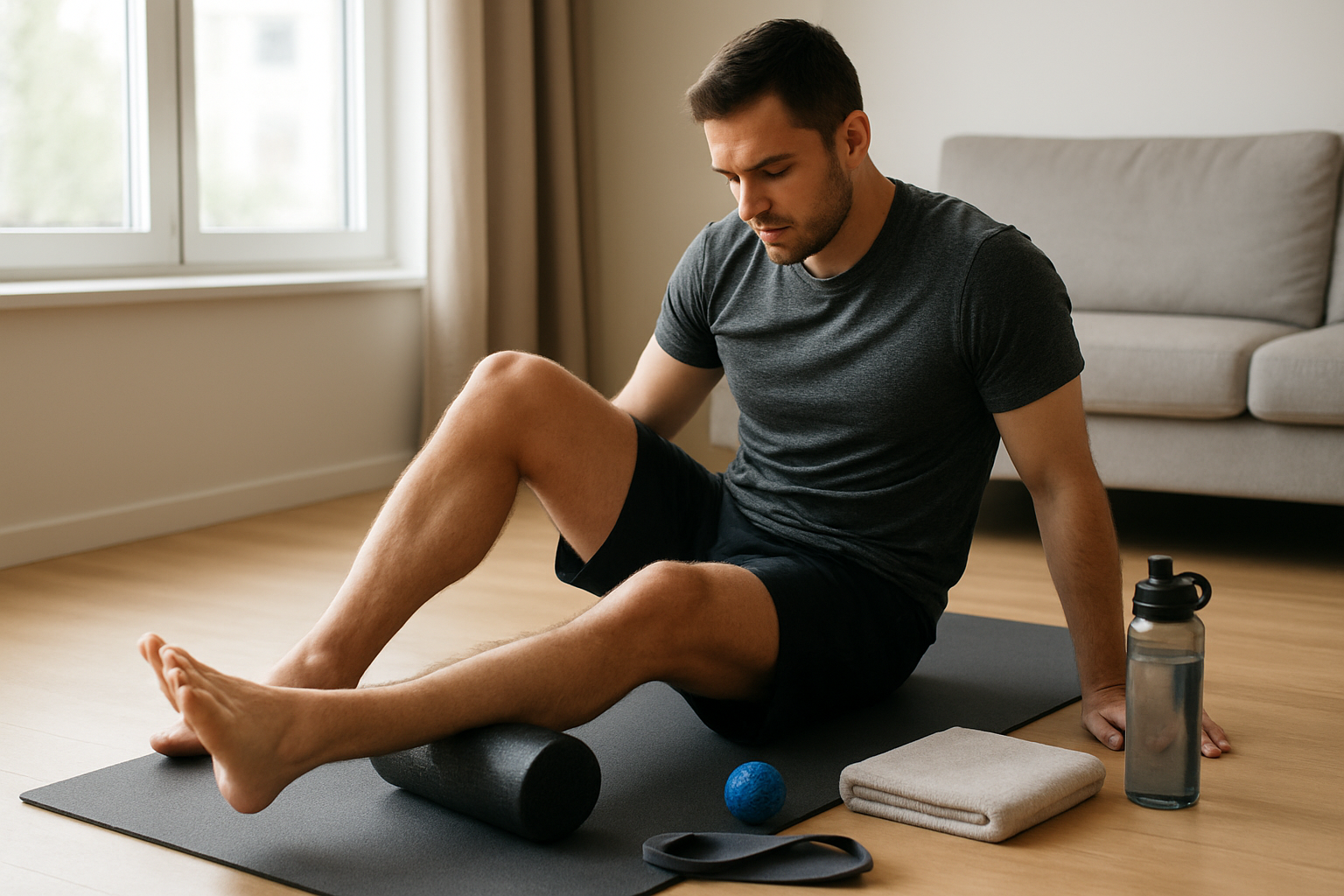
A foam roller is the most broadly useful option for quads, hamstrings, calves, glutes, and parts of the upper back. Slow passes can help you explore stiff areas and temporarily change how movement feels, although rolling should not be treated as a way to “break up” tissue or guarantee faster recovery.
Choose a medium-density roller if you are new to self-massage. Very firm or heavily textured rollers may provide more pressure, but they can make it harder to relax and may be unsuitable when soreness is substantial.
Best for: A first recovery purchase and regular lower-body training.
Massage gun: best for targeted, efficient sessions
A massage gun can deliver repeated pressure to large muscles without requiring you to support your body on the floor. It may be convenient before or after training, particularly when you want to spend a short time on the calves, thighs, glutes, or upper back.
Use a low setting first and keep the device on muscle rather than bones, joints, the front of the neck, or areas with altered sensation. A massage gun should feel like tolerable pressure, not sharp pain, bruising, tingling, or numbness. For a more detailed buying framework, see Massage Guns for Athletes Review and Comparison.
Best for: People who want adjustable pressure and do not mind charging or maintaining a powered device.
Massage ball: best for precision
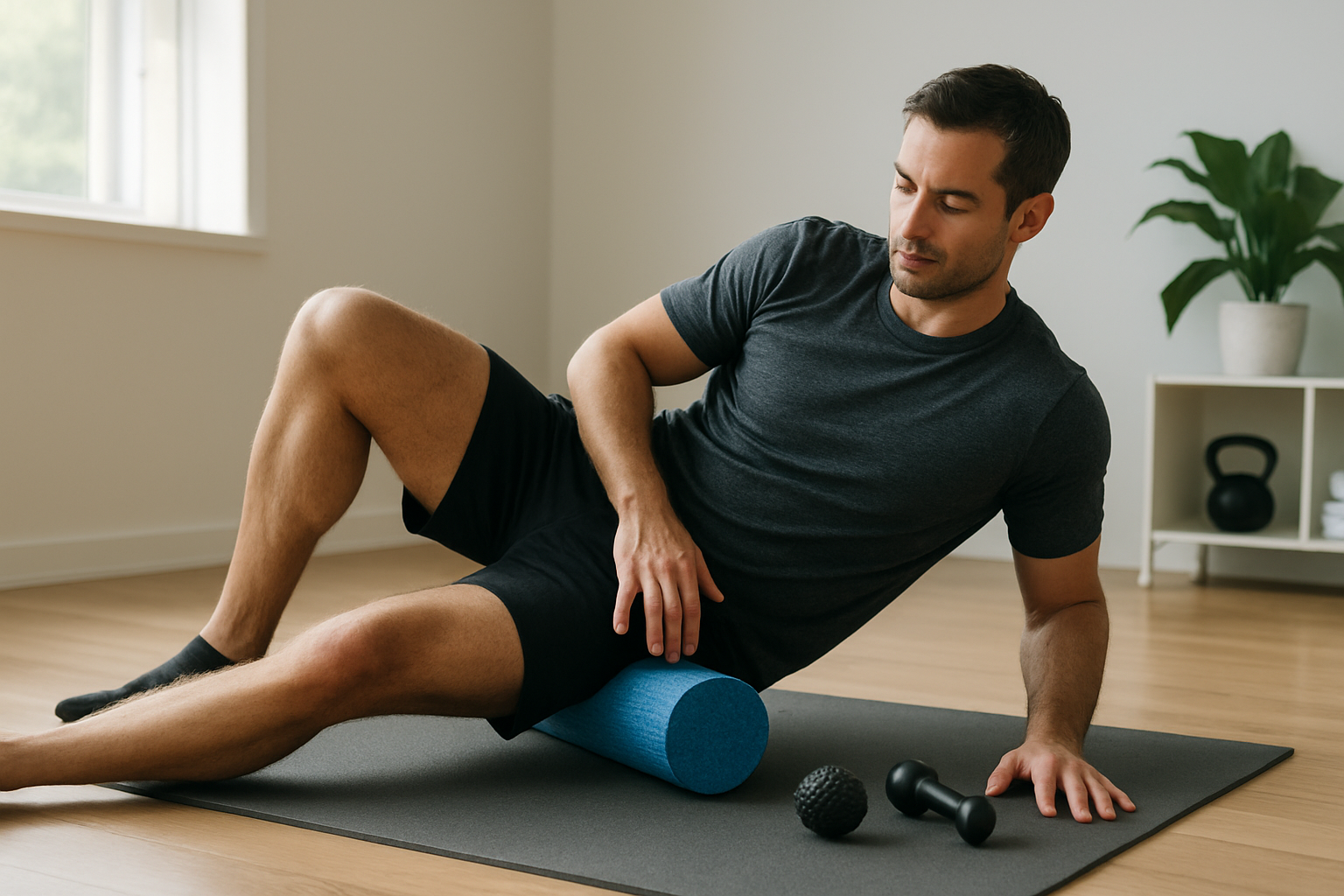
A massage ball works well when a roller is too broad. You can place it between your body and a wall or floor to apply controlled pressure to the soles of the feet, glutes, shoulder blades, and upper back.
The smaller contact area makes it easier to focus on one region, but it also increases pressure quickly. Begin against a wall, where you can control your weight, and avoid pressing directly on the spine, joints, or any painful lump.
Best for: Travelers, desk workers, and anyone who needs a compact tool for specific areas.
Heat wrap or heating pad: best for stiffness
Heat can feel useful when muscles are tight, stiff, or uncomfortable before gentle movement. It is particularly practical in the evening or before mobility work, but comfort should be the goal rather than intense temperature.
Protect your skin, follow the device instructions, and do not sleep with an electric heating pad unless it is specifically designed and approved for that use. Heat is not an appropriate substitute for assessment when pain is sudden, severe, swollen, or associated with weakness.
Best for: General stiffness and relaxation rather than immediate injury management.
Cold pack: best for short-term soothing
A cold pack may temporarily reduce the feeling of heat or discomfort after demanding activity. It is not necessary for ordinary post-workout soreness, and it should not be used to mask pain so you can continue an activity that feels unsafe.
Wrap the pack in a cloth, use short intervals, and check the skin regularly. Avoid cold therapy over numb skin or where circulation and sensation are impaired.
Best for: People who find cooling comfortable after activity or minor irritation, with sensible skin protection.
3. Consider compression and mobility tools
Compression sleeves: best for convenience
Compression sleeves are easy to pack and can feel supportive during travel, warm-ups, or low-intensity movement. Their value is highly individual: a sleeve that feels comfortable may help you feel more supported, while one that is too tight can distract you or cause discomfort.
Do not use a sleeve as a way to ignore increasing pain, swelling, skin color changes, or loss of sensation. Select the size according to the manufacturer’s instructions and remove it if it causes numbness or unusual tingling.
Best for: Light support and portability, not as a treatment for an undiagnosed injury.
Mobility strap: best for controlled stretching
A strap can make stretching more repeatable by giving your hands extra reach and helping you control the range of motion. It is useful for hamstrings, calves, hips, shoulders, and gentle post-training mobility.
Keep the stretch mild to moderate and breathe normally. A strap should improve control, not force a joint beyond a comfortable position. If you are working around knee discomfort, pair cautious mobility work with low-impact exercise guidance such as these knee-friendly leg exercise options.
Best for: People who want a low-cost tool for regular mobility practice.
4. Use a simple recovery routine
Recovery tools work best when they support a broader routine. After a demanding session, start with easy walking or gentle movement if it feels comfortable, then use one tool for a short period rather than combining every method at once.
- For large, generally sore muscles, use a foam roller with slow, comfortable passes.
- For one tight area, try a massage ball or low-intensity massage gun.
- For stiffness before movement, use gentle heat followed by mobility work.
- For comfort after activity, try a protected cold pack if cooling feels helpful.
- Prioritize sleep, regular meals, fluids, and a gradual return to training.
Keep notes on what improves comfort and what makes symptoms worse. If soreness continues to intensify, changes your walking or lifting pattern, or does not behave like ordinary post-exercise soreness, stop self-treatment and seek qualified medical advice.
5. Buyer guide: what to check before purchasing
- Coverage: Rollers suit broad muscle groups; balls and guns suit more precise areas.
- Control: Beginners often benefit from softer materials, moderate pressure, and simple settings.
- Portability: A ball or strap fits easily in a gym bag, while a powered device needs charging and safe storage.
- Cleaning: Choose surfaces that can be wiped down, especially if the tool is shared.
- Noise: A powered tool may be unsuitable in a quiet office, shared home, or late-night routine.
- Safety features: For electrical products, look for clear instructions, reliable controls, and protection against overheating.
- Actual use: Buy the tool you will use consistently, not the one with the longest feature list.
6. Common mistakes when using recovery tools
- Applying more pressure because discomfort feels like proof that the tool is working.
- Rolling directly over joints, the spine, bones, open wounds, or visibly swollen areas.
- Using cold or heat to continue training through sharp or worsening pain.
- Holding a massage gun in one place for too long.
- Stretching aggressively when the muscle is already highly irritated.
- Expecting a tool to compensate for inadequate sleep, excessive training load, or poor technique.
7. Checklist and troubleshooting
Before your first session
- Identify whether the sensation is ordinary muscle soreness, stiffness, or possible injury pain.
- Check the tool for damage and read its use and cleaning instructions.
- Test a low-pressure method on a small area first.
- Stop if you notice sharp pain, numbness, unusual tingling, bruising, or worsening symptoms.
What if the tool makes soreness worse?
Stop using it and allow the area to settle. Switch to gentle movement or rest, depending on what feels comfortable, and avoid repeating the same pressure in an attempt to “work through” the reaction. Seek medical advice for severe pain, major swelling, weakness, loss of function, fever, significant bruising, or symptoms that persist or worsen.
Final recommendation by scenario
Choose a foam roller if you want one versatile, low-cost tool for regular training. Choose a massage ball for precise pressure and portability, or a massage gun when adjustable, time-efficient treatment is more important than simplicity. Pick heat for stiffness, cold for short-term soothing when it feels beneficial, and a strap for controlled mobility.
The best recovery tools for sore muscles are the ones that help you move comfortably without hiding warning signs. Use them gently, combine them with sound recovery habits, and adjust your training when soreness indicates that your current workload is too much.