To build a weekly muscle gain meal plan, start with a small calorie surplus, set a daily protein target, add enough carbohydrate to support training, and repeat simple meals you can prepare consistently. Track your body weight, gym performance, hunger, and recovery for two to three weeks, then adjust portions rather than changing everything at once.
A good plan is not just a list of high-protein foods. It must fit your schedule, budget, appetite, cooking skills, and training times. This guide shows you how to turn those factors into a repeatable seven-day structure.
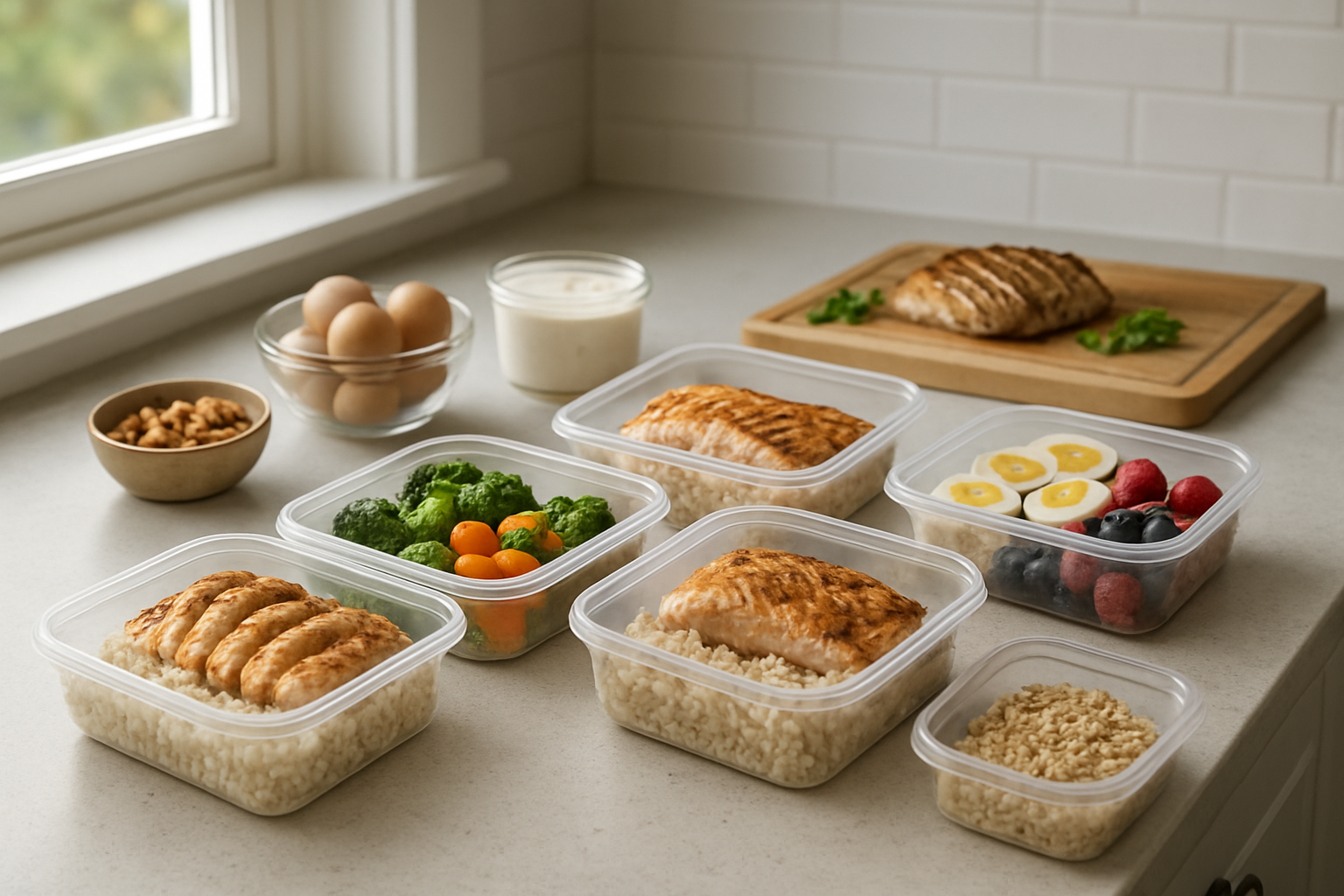
1. Prepare your starting information before planning meals
Before choosing recipes, write down your body weight, usual activity level, training days, food preferences, allergies, and the number of meals you can realistically eat. Also note whether you want to gain weight slowly, maintain a leaner look, or prioritize maximum scale gain.
Use a calorie calculator or a food-tracking app only as a starting estimate. Maintenance needs vary with body size, movement, training volume, sleep, and ordinary day-to-day changes. The useful number is the one that matches your real-world weight trend over time.
Set a manageable calorie surplus
A modest surplus is usually easier to control than a very large one. ACSM describes approximately 500 extra calories per day as one performance-nutrition approach, but individual results can differ, and a smaller starting increase may be more appropriate if you gain fat quickly or have a lower appetite.
Start by adding one or two calorie-dense portions to your normal intake, such as an extra serving of rice, oats, olive oil, nut butter, dairy, or a smoothie. Do not assume that eating as much as possible will produce proportionally more muscle.
2. Calculate your daily protein target
For resistance-trained adults, a practical daily range is about 1.4–2.0 grams of protein per kilogram of body weight. You can find more background in the American College of Sports Medicine’s sports nutrition guidance. If you use pounds, divide your body weight by 2.2 to estimate kilograms, then multiply by the protein range.
For example, a 180-pound person weighs about 82 kilograms. A useful planning range would be approximately 115–164 grams of protein per day. You do not need to hit one exact number every day; consistency across the week matters more than precision at every meal.
Distribute protein across the day
Divide your target between three main meals and one or two snacks. A simple structure might be 30–40 grams at breakfast, lunch, and dinner, with smaller protein servings in snacks. This is often easier to follow than trying to consume most of your protein at night.
- Breakfast: eggs, Greek yogurt, cottage cheese, milk, tofu, or a protein smoothie.
- Lunch: chicken, turkey, lean beef, fish, beans, lentils, or tempeh.
- Dinner: a second serving of meat, seafood, dairy, tofu, or legumes.
- Snacks: yogurt, milk, jerky, cheese, edamame, or a protein shake.
3. Build every meal from four basic components
Instead of planning seven completely different menus, use a meal-building formula. Each main meal should contain a protein source, a carbohydrate source, produce, and a fat source when appropriate.
Carbohydrates help provide training fuel and make it easier to reach a calorie surplus. Choose foods such as rice, potatoes, oats, pasta, bread, beans, fruit, and whole grains. Include vegetables and fruit for variety, fiber, and micronutrients rather than treating them as optional decoration.
Fats are useful for increasing calories without creating enormous meal volumes. Good options include olive oil, avocado, nuts, seeds, nut butter, whole eggs, and oily fish. Keep very high-fat foods away from training if they make you feel uncomfortable or slow to digest.
Use this comparison table when choosing the main parts of your plan:
| Meal component | What to look for | Warning sign |
|---|---|---|
| Protein | A clear serving of meat, fish, eggs, dairy, soy, or legumes | The meal contains mostly starch or vegetables with little protein |
| Carbohydrate | A portion of rice, oats, potatoes, pasta, bread, beans, or fruit | Training days leave you flat, hungry, or unable to complete planned work |
| Produce | At least one fruit or vegetable with most meals | The plan relies mainly on shakes, bars, and processed snack foods |
| Fat | A measured serving of oil, nuts, seeds, avocado, eggs, or fatty fish | Calories are increased so quickly that digestion or appetite suffers |
4. Turn the formula into a seven-day meal schedule
Choose two breakfasts, two lunches, three dinners, and four snacks. Rotate these choices during the week instead of cooking a different recipe every day. Repetition reduces shopping, preparation, and decision fatigue.
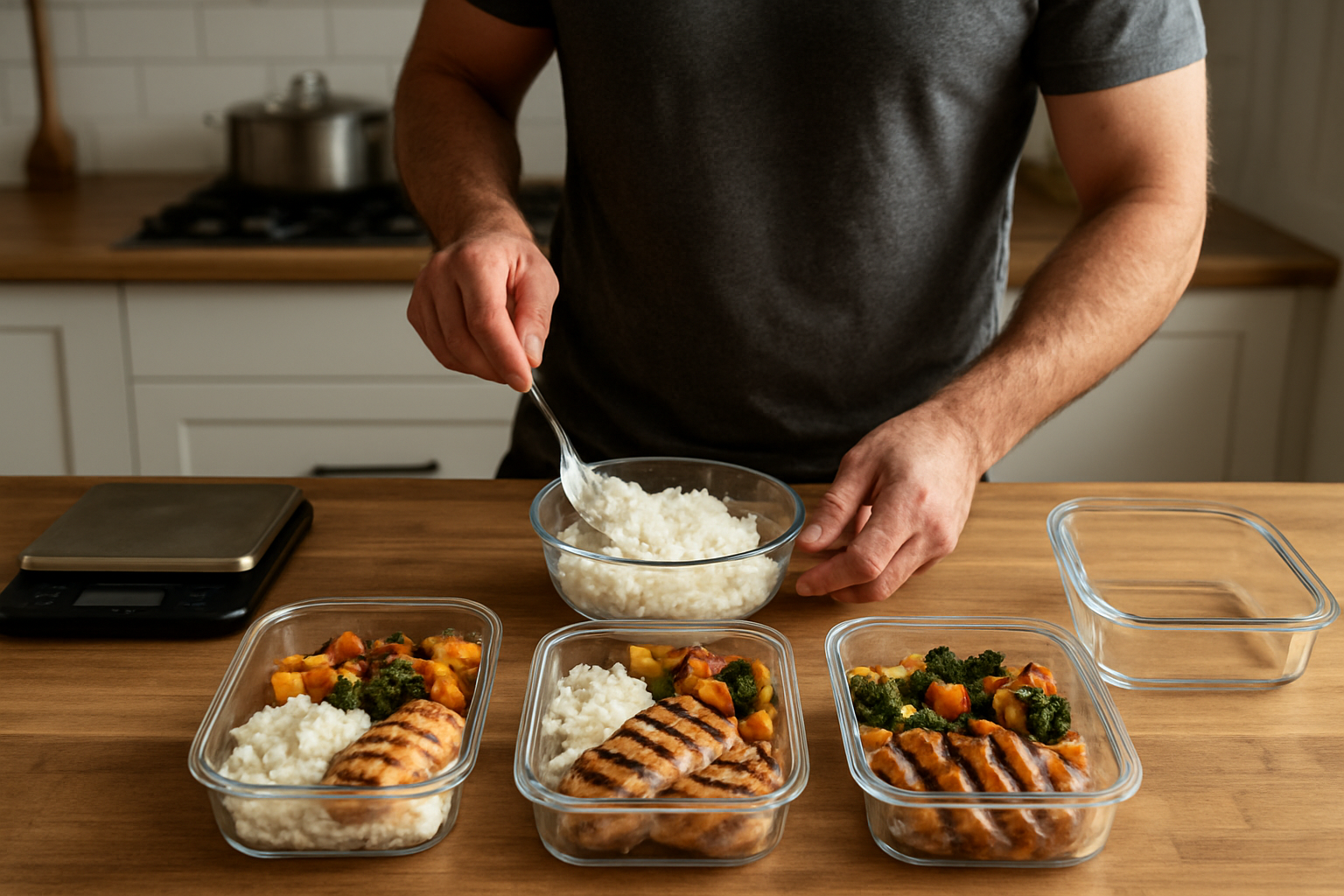
Example weekly framework
- Breakfast options: oats with milk, Greek yogurt, berries, and nut butter; or eggs with toast, fruit, and cottage cheese.
- Lunch options: chicken, rice, vegetables, and olive oil; or a turkey and cheese sandwich with fruit and yogurt.
- Dinner rotation: salmon with potatoes; beef or tofu stir-fry with rice; turkey chili with beans and bread.
- Snack rotation: milk and a banana, yogurt with granola, a peanut butter sandwich, or a smoothie with milk, oats, fruit, and protein powder.
On training days, place a carbohydrate-rich meal or snack one to three hours before lifting if that timing suits your digestion. After training, eat a normal meal containing protein and carbohydrates. There is no need to make the post-workout meal complicated.
5. Shop and prepare the plan efficiently
Make your grocery list by category rather than by recipe. Buy two or three protein staples, two carbohydrate staples, several fruits and vegetables, and a few easy snacks. Frozen produce, canned beans, canned fish, microwaveable rice, and pre-cut vegetables can be useful when convenience determines whether you follow the plan.
- Cook a large batch of rice, potatoes, pasta, or grains.
- Prepare several portions of chicken, lean beef, tofu, eggs, or beans.
- Wash fruit and vegetables so they are ready to use.
- Portion snacks into containers instead of eating directly from large packages.
- Keep one emergency meal available, such as canned tuna with bread, frozen vegetables with rice, or a simple smoothie.
For food safety, refrigerate perishable cooked foods promptly, keep your refrigerator cold, and follow local food-safety guidance for storage times. If you have kidney disease, diabetes, gastrointestinal disease, a history of disordered eating, or another medical condition, ask a qualified clinician or registered dietitian to help personalize the plan.
6. Check whether the plan is working
Weigh yourself under similar conditions several times per week and compare weekly averages rather than reacting to one reading. Also record gym performance, appetite, digestion, sleep, and how your clothes fit. Scale weight can fluctuate because of hydration, sodium, carbohydrate intake, and food volume.
If your average weight is not increasing after two or three consistent weeks, add a small portion to one or two meals. If weight is rising faster than you want, reduce portions slightly. Keep protein steady while adjusting mainly carbohydrates and fats.
Common mistakes when planning for muscle gain
- Starting with an excessive surplus: More food is not automatically more muscle.
- Eating almost all protein: Very high protein can crowd out carbohydrates and make meals unnecessarily expensive.
- Changing the plan every day: Constant novelty makes progress difficult to evaluate.
- Ignoring liquid calories: Smoothies can help, but they should complement balanced meals rather than replace all solid food.
- Relying on supplements: The NIH explains that performance supplements cannot replace a nutritionally adequate diet, and some can interact with medicines or cause side effects. Read the NIH Office of Dietary Supplements fact sheet before adding products.
What if your appetite, schedule, or diet makes this difficult?
If you struggle to eat enough
Use smaller, more frequent meals and add calorie-dense ingredients such as olive oil, nut butter, milk, cheese, avocado, or oats. A smoothie can be easier to consume than another large plate of food.
If you follow a vegetarian or vegan diet
Combine soy foods, beans, lentils, seitan, peas, dairy or fortified alternatives, eggs if included, and protein powders when useful. Pay attention to variety and consider professional guidance for nutrients that may require special planning.
If you train early in the morning
Use a small snack such as a banana, yogurt, toast, or a shake before training if a full meal feels uncomfortable. Eat a substantial breakfast afterward and distribute the remaining meals normally.
Weekly muscle gain meal plan checklist
- Estimate your maintenance intake and choose a modest surplus.
- Set a daily protein range based on your body weight.
- Choose repeatable breakfasts, lunches, dinners, and snacks.
- Include carbohydrates around training when helpful.
- Buy and prepare food before the week begins.
- Track weekly weight averages and gym performance.
- Adjust portions only after giving the plan enough time to evaluate.
Your next actions
Today, calculate your protein range, select two meals you already enjoy, and add one reliable calorie surplus option. Then create a grocery list for three days rather than trying to build a perfect plan immediately. After you can follow that smaller version, expand it into a full week.
A successful weekly muscle gain meal plan is the one that supplies enough energy and protein while remaining practical on ordinary days. Keep the structure simple, monitor your response, and make small changes based on evidence from your own progress.