The best budget exercise mat for home workouts is usually a non-slip, easy-to-clean mat that is long enough for your body and thick enough for the exercises you actually perform. For most beginners, a medium-thickness fitness mat is a more versatile choice than an ultra-thin yoga mat or a very soft, bulky foam mat.
A low price does not automatically make a mat good value. The right option should protect pressure points, stay reasonably stable during movement, fit your available space, and be simple enough to use regularly. This guide explains how to compare budget mats without relying on unverified ratings or personal testing.
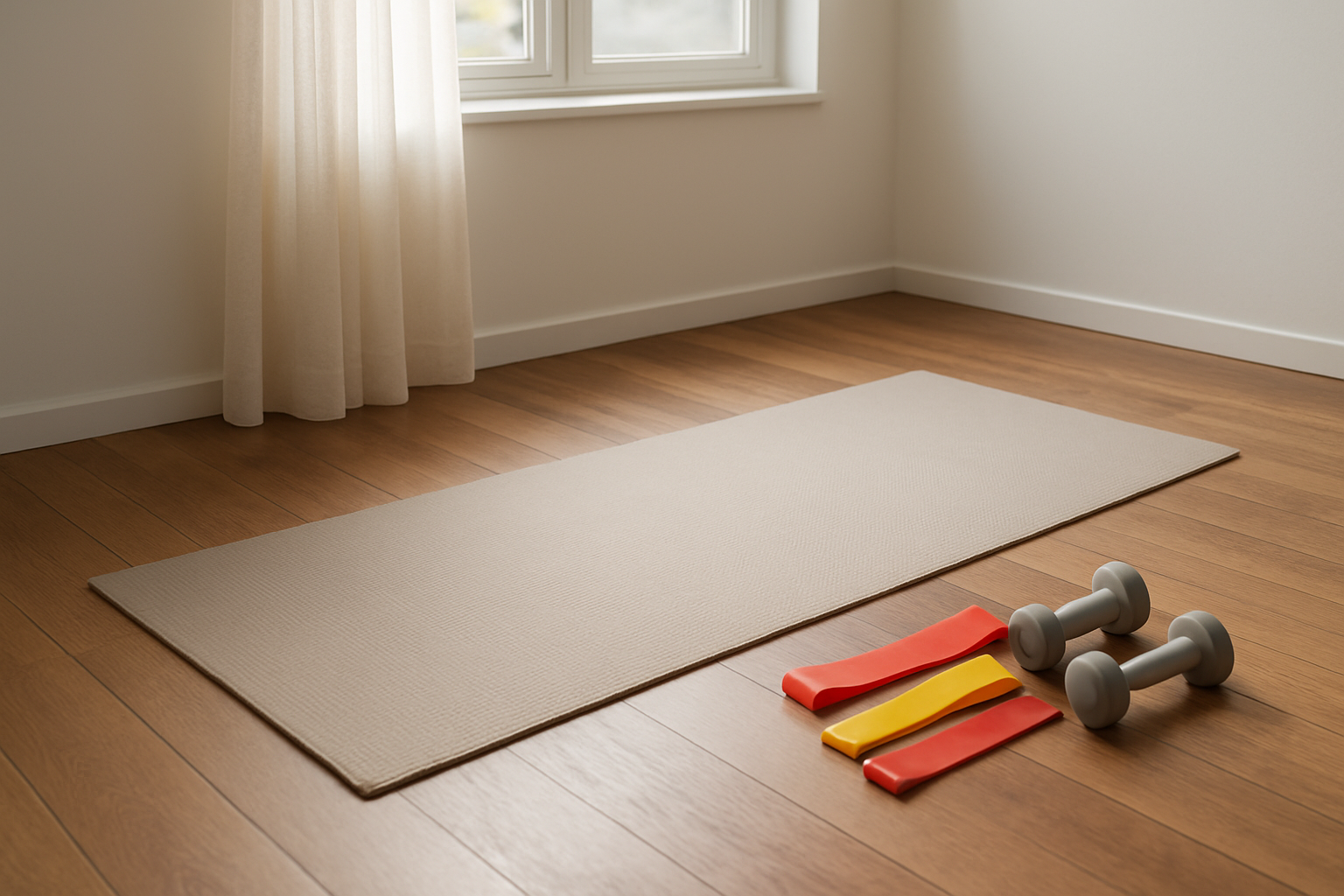
1. Match the exercise mat to your workout
Begin by listing the movements you expect to do most often. A mat for mobility and stretching has different priorities from one used for burpees, mountain climbers, dumbbell exercises, or repeated kneeling.
- Yoga, mobility, and balance: prioritize grip, a firm feel, and a surface that does not compress excessively.
- Bodyweight strength: look for enough cushioning for planks, push-ups, glute bridges, and floor transitions.
- HIIT and circuit training: choose a stable mat that does not bunch or slide when your feet move quickly.
- Stretching and floor-based core work: comfort and surface coverage become more important than extreme portability.
- Light dumbbell training: confirm that the material is suitable for controlled indoor use, but do not treat a soft exercise mat as a substitute for dedicated gym flooring.
The ACE exercise library shows how many common home movements use floor contact, including planks and mobility exercises. That is why the useful question is not simply “How thick is it?” but “Where will my body and equipment repeatedly contact the floor?”
2. Compare the features that matter most
Grip and stability
Grip is a safety and usability feature. A mat that moves under your hands or feet can make basic exercises feel awkward and may encourage you to change your form. Look for a textured top surface and an underside designed to hold against your floor type.
Be cautious with vague claims such as “non-slip” unless the product description explains the surface or construction. Grip can also change with sweat, dust, moisture, and flooring material. Clean the floor beneath the mat and test a few slow movements before using it for faster drills.
Thickness and cushioning
Thicker is not always better. A very soft mat can feel comfortable when kneeling, but it may reduce stability during standing exercises, balance work, or strength movements that require firm contact with the floor.
For general home workouts, moderate cushioning is usually the most practical compromise. If you have sensitive knees, wrists, hips, or a hard floor, you may prefer more padding. If balance and controlled foot placement are central to your routine, a firmer surface may be preferable.
Size and usable coverage
Check the mat’s actual length and width rather than assuming all fitness mats are similar. When lying down, your head, back, hips, and feet should remain supported during the movements you plan to perform.
Also measure your workout area. A large mat may be more comfortable but harder to store, while a narrow mat can leave your hands or feet on a cold, slippery floor. You need enough surrounding space to move safely, not merely enough room for the mat itself. ACE’s guidance for at-home workouts similarly emphasizes clearing clutter and allowing room to move in different directions.
Use this comparison table to screen budget options before comparing colors or accessories.
| What to look for | Why it matters | Warning sign |
|---|---|---|
| Textured top and stable underside | Helps hands, feet, and the mat remain in place | Surface feels slick or the corners curl immediately |
| Moderate, even cushioning | Balances joint comfort with stability | Padding collapses easily or feels unstable |
| Length suited to floor exercises | Keeps your body supported during core and stretching work | Your head or feet regularly extend beyond the mat |
| Closed or smooth-enough surface | Makes routine cleaning easier | Material traps sweat, dust, or visible debris |
| Manageable rolled or folded size | Encourages regular setup and storage | You have nowhere practical to keep it flat or secured |
| Clear material and care information | Helps you judge odor, cleaning, and compatibility | Product details omit basic construction or maintenance guidance |
3. Understand budget mat materials and construction
Budget mats may use materials such as PVC, TPE, NBR, rubber blends, or basic foam. Material names alone do not determine quality; thickness consistency, texture, edge finishing, and resistance to curling can matter just as much.
Foam-heavy mats often provide comfortable cushioning at a low cost, but some are more prone to dents, tearing, or movement. Firmer materials may offer better stability but can feel less forgiving on knees and elbows. If odor is a concern, look for clear ventilation and care instructions, then allow a new mat to air out in a well-ventilated area before use.
For sweaty workouts, easy cleaning is particularly important. Follow the manufacturer’s care instructions rather than assuming every mat can be soaked, machine-washed, or exposed to strong disinfectants.
4. Consider storage, floor type, and workout space
A mat that is technically suitable but annoying to store may not deliver good value. Measure the space where you will keep it and check whether the mat rolls tightly, folds, or needs straps.
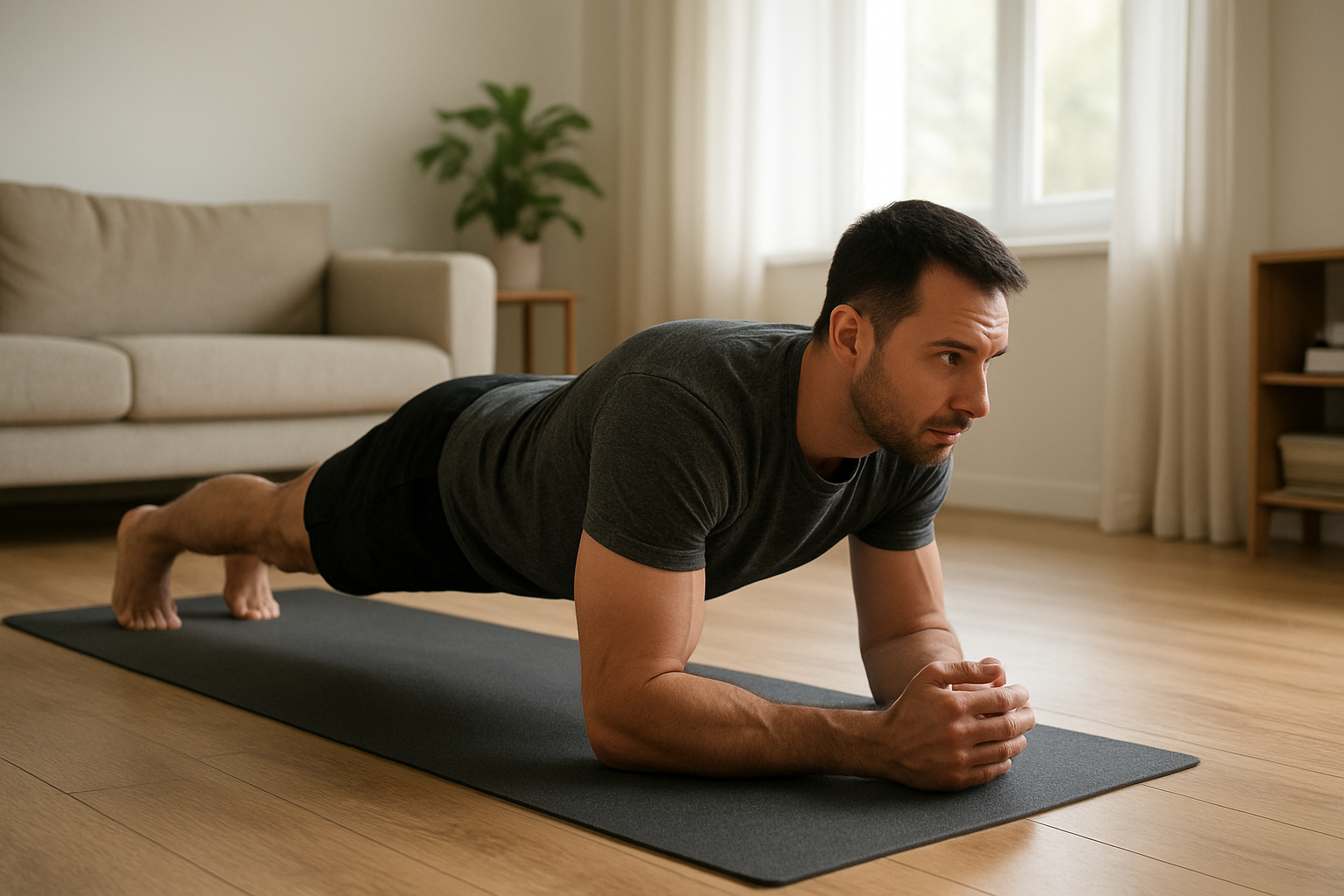
- Hardwood or laminate: confirm that the underside does not leave marks and that the mat sits flat.
- Carpet: a highly textured underside may grip well, but excessive softness can make balance work harder.
- Tile or concrete: prioritize cushioning and stability, and inspect the floor for dust or moisture before every session.
- Shared living spaces: choose a mat that can be wiped down and stored without blocking walkways.
Decathlon’s at-home workout guidance also recommends choosing a clear, low-traffic area and preparing equipment in advance. That practical setup advice matters because a mat is useful only if you can deploy it safely and consistently.
5. Decide whether a budget mat is enough for your routine
A basic exercise mat can be sufficient for stretching, yoga, bodyweight strength, beginner circuits, and floor-based mobility. It may not be the right foundation for heavy barbell lifting, repeated jumping on delicate flooring, or equipment that can cut, dent, or puncture soft material.
If you use adjustable dumbbells, resistance bands, or other home equipment, consider how they contact the floor. Our guide to home gym accessories for beginners can help you think about the wider setup. For heavier strength work, place suitable protective flooring beneath the equipment rather than expecting a thin exercise mat to handle every demand.
6. Check alternatives before buying
You may not need a traditional rolled mat. Consider these alternatives when your workout or room has special requirements:
- Folding fitness mats: useful when storage space is limited, though the seams may affect certain floor exercises.
- Interlocking foam tiles: practical for a semi-permanent home gym and larger training areas.
- Yoga mats: often better for grip and portability, but some are too thin for prolonged kneeling or floor conditioning.
- Dedicated rubber flooring: more appropriate for heavier equipment and permanent workout zones, but usually less convenient for renters or small rooms.
Choose the format that removes the biggest obstacle in your routine: discomfort, slipping, storage, noise, or floor protection.
7. Avoid these common buying mistakes
- Choosing the thickest mat without considering balance or stability.
- Ignoring the mat’s width because the listed length looks adequate.
- Assuming “non-slip” means it will work equally well on every floor.
- Buying a delicate soft mat for heavy weights or sharp-edged equipment.
- Failing to check cleaning instructions and material details.
- Picking a mat that cannot be stored conveniently in your home.
- Using a mat on a wet, dusty, or cluttered floor.
8. Troubleshooting: what if the mat does not work well?
What if it slides?
Stop the workout and check for dust, moisture, or residue on both the floor and underside. If the mat still shifts during slow movements, it is not a good match for that floor or exercise style.
What if it curls at the edges?
Follow the manufacturer’s recommended unpacking and flattening method. Keep walkways clear while the mat settles, and do not use it for fast movements if raised edges create a trip hazard.
What if your knees still hurt?
More padding may help, but equipment cannot correct every source of discomfort. Reduce the range or volume of the exercise, review your technique, and seek advice from a qualified healthcare professional if pain persists, worsens, or affects normal activity.
9. Budget exercise mat checklist
- Measure your workout space and storage location.
- List the exercises you will perform most often.
- Choose grip and firmness before appearance.
- Check the mat’s length, width, thickness, and material.
- Confirm the care instructions and return policy before purchase.
- Inspect the mat for tears, unstable edges, strong persistent odor, or uneven padding.
- Test slow movements before using it for HIIT or balance exercises.
10. Next actions before you buy
Measure first, then shortlist two or three mats that suit your actual exercises. Compare the usable surface, underside grip, cushioning, care requirements, and storage format—not just the advertised thickness or lowest price.
For a beginner building a broader home setup, you may also want to read our guide to adjustable dumbbells for home strength training and our step-by-step advice on proper deadlift form before adding heavier equipment.
Conditional verdict: which budget exercise mat should you choose?
For most home exercisers, the best budget exercise mats review for home workouts should point toward a medium-thickness, stable, easy-clean mat with enough length for floor exercises. Choose a firmer option when grip and balance matter most, and choose extra cushioning when hard floors or kneeling comfort are your main concerns.
No budget mat is ideal for every activity. If your routine includes heavy lifting, aggressive jumping, or permanent equipment, invest in appropriate flooring instead. The best purchase is the least expensive mat that meets your workout, floor, storage, and comfort requirements without creating a new safety problem.