The best fitness gifts for active people are useful, compatible with the recipient’s routine, and easy to use consistently. If you are unsure what to buy, choose a versatile training accessory, recovery tool, or durable carry item rather than equipment that depends on exact size, skill level, or personal preferences.
This guide compares eight practical fitness gift categories, explains who each one suits, and highlights the limitations you should consider before buying. The goal is not to choose the most impressive-looking item; it is to choose something the recipient can actually use.
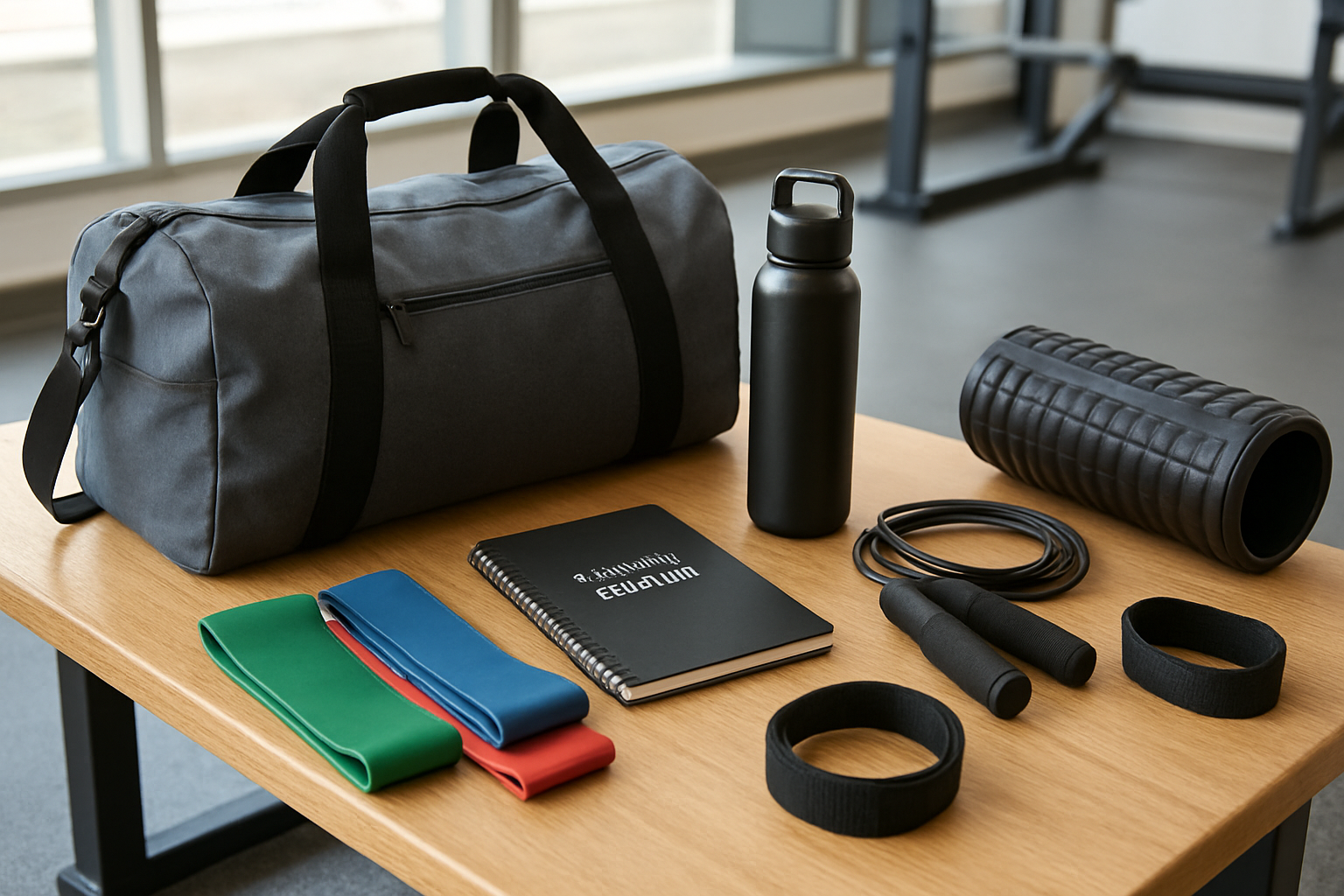
1. Match the gift to the person’s actual training
Start with what the recipient already does. Someone who lifts weights may appreciate a lifting accessory, while a runner may prefer practical gear for carrying water or storing small essentials. A gift that supports an existing habit is usually more useful than equipment intended to start an entirely new one.
It also helps to consider how often the person trains, where they exercise, and whether they already own the basics. Many active people have strong preferences about shoes, watches, headphones, supplements, and clothing, so these categories can be risky unless you know exactly what they want.
The CDC’s adult activity guidance emphasizes a combination of aerobic activity and muscle-strengthening work, which is why this list includes gifts for several kinds of training rather than only gym equipment. ([cdc.gov](https://www.cdc.gov/physical-activity-basics/guidelines/adults.html?utm_source=openai))
2. Best fitness gifts for active people: ranked quick picks
Use this table to narrow the options before reading the detailed assessments.
| Rank | Gift idea | Best for | What to look for | Warning sign |
|---|---|---|---|---|
| 1 | Durable gym bag | Almost any active person | Ventilation, separate shoe section, comfortable straps | Too small for normal training gear |
| 2 | Resistance band set | Home workouts and travel | Several resistance levels and secure handles or loops | Unclear resistance or poor attachment points |
| 3 | Recovery kit | People who train frequently | Simple massage ball, roller, and storage pouch | Promises to diagnose or treat injuries |
| 4 | Adjustable jump rope | Cardio and conditioning enthusiasts | Adjustable length, smooth bearings, comfortable handles | Fixed length or stiff, tangled cable |
| 5 | Training journal | Strength trainees and beginners | Space for exercises, sets, repetitions, and notes | Designed only for one training style |
| 6 | Mobility accessories | People who stretch or move regularly | Stable mat, small massage balls, useful texture | Very thin materials that slide easily |
| 7 | Insulated water bottle | Outdoor and endurance athletes | Leak-resistant lid, easy cleaning, suitable capacity | Hard-to-clean narrow opening |
| 8 | Workout headphones | People who train with music | Secure fit, sweat resistance, simple controls | Uncomfortable fit or unclear durability rating |
3. The most useful gifts for everyday training
1. Durable gym bag
Best for: nearly anyone who trains outside the home. A well-organized gym bag is one of the safest fitness gifts because it supports many activities without changing how someone exercises. Look for a ventilated compartment for shoes or damp clothing, a separate pocket for small items, and straps that remain comfortable when the bag is full.
Choose a medium-sized design unless you know the recipient carries extensive equipment. An oversized bag can become inconvenient for short sessions, while a very small bag may not hold shoes, a towel, clothing, and toiletries.
2. Resistance band set
Best for: home workouts, travel, warm-ups, and beginners. Resistance bands take up little space and can support pulling, pressing, lower-body, and mobility exercises. A set with several resistance levels is more useful than a single band because the recipient can adjust the challenge for different movements.
Check whether the set includes handles, ankle straps, or a door anchor. If it does, the attachment points should feel secure and the instructions should explain safe setup. For more home-training ideas, see home gym versus commercial gym for beginners.
3. Compact recovery kit
Best for: active people who train several days per week. A simple recovery kit might include a massage ball, compact foam roller, and small storage pouch. These items can be useful for gentle self-massage and movement preparation, but they should not be presented as cures for injuries.
Choose tools that are easy to store and not excessively aggressive. If the recipient has persistent pain, swelling, numbness, or a recent injury, professional assessment is more appropriate than relying on a recovery gadget. LaokFitness also covers natural approaches to delayed onset muscle soreness.
4. Adjustable jump rope
Best for: people who enjoy conditioning, boxing, or short cardio sessions. A jump rope is inexpensive, portable, and useful for warm-ups or intervals. Adjustable length matters because a rope that is too long or short can make learning difficult.
This is not the best choice for someone with current foot, knee, or ankle problems, or for anyone training in a space with a low ceiling. Beginners should start gradually and use a suitable surface rather than jumping repeatedly on hard concrete.
5. Training journal
Best for: lifters, beginners, and goal-oriented trainees. A training journal helps the recipient record exercises, sets, repetitions, loads, perceived effort, and notes about technique. It is especially useful for people who want to notice patterns instead of relying on memory.
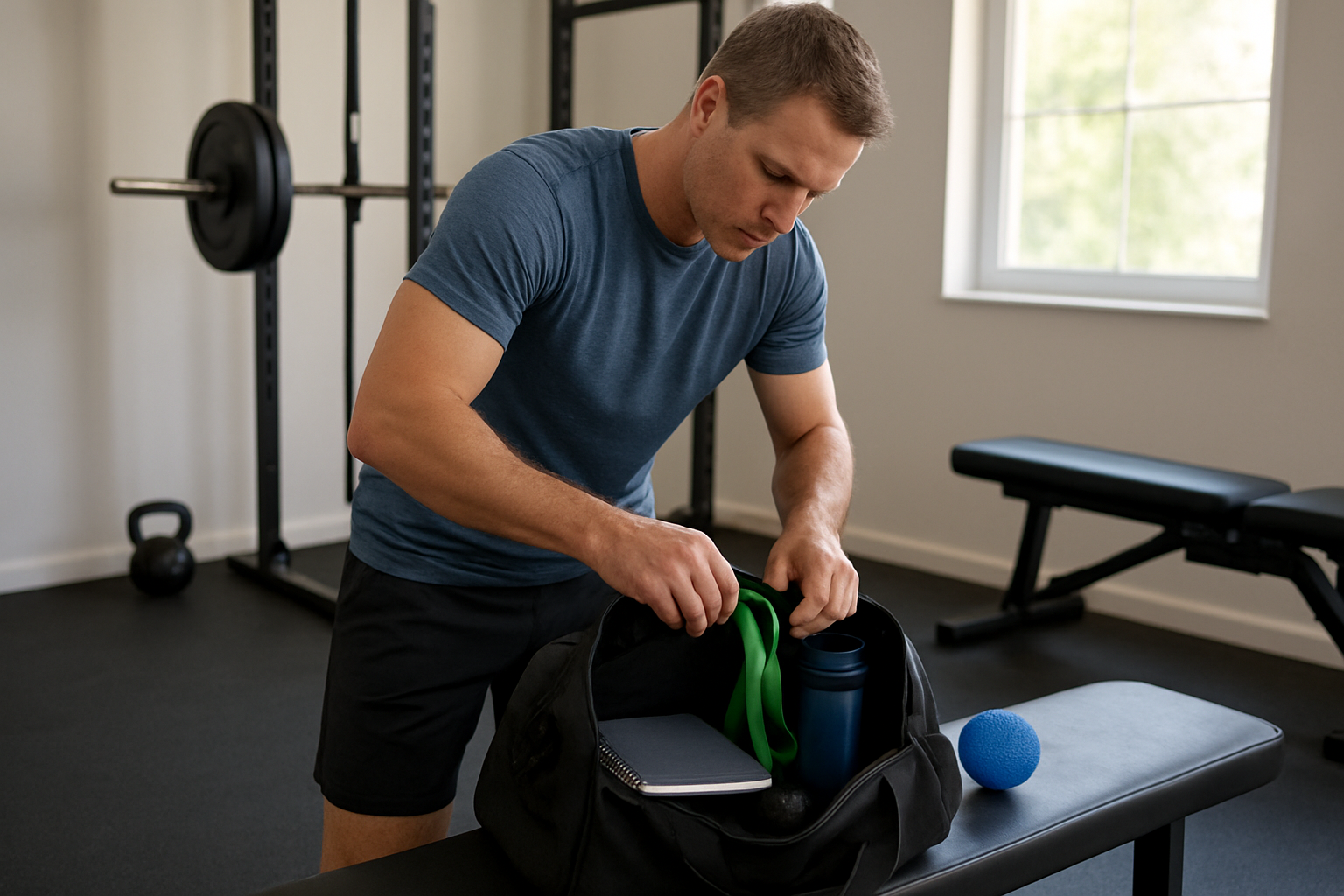
Choose a format that matches the recipient’s routine. A strength-focused journal may be frustrating for someone who primarily runs, cycles, or attends classes. A blank notebook can work, but guided sections make consistent tracking easier.
6. Mobility accessories
Best for: people who stretch, lift, or want to move more comfortably. A stable exercise mat, massage balls, or a light mobility strap can support warm-ups and stretching. The gift should make movement easier to organize, not encourage forcing painful ranges of motion.
For someone who squats, a mobility accessory may pair well with practical education such as this ankle-mobility guide for squats. Avoid claiming that a tool will correct a specific limitation without knowing the underlying cause.
7. Insulated water bottle
Best for: runners, hikers, cyclists, and people who train outdoors. A leak-resistant bottle with a lid that is easy to clean is more useful than a decorative bottle with complicated parts. Consider whether the recipient carries it in a gym bag, backpack, vehicle, or bottle cage.
Capacity should match the activity. A large bottle may be helpful for long outdoor sessions but awkward for a short gym workout. If the person trains for endurance events, a bottle or flask that works with their existing carrying system is a better choice.
8. Workout headphones
Best for: people who regularly train with music or podcasts. Fit matters more than appearance. The headphones should stay secure during the recipient’s main activity, offer controls that are easy to use, and be appropriate for exposure to sweat.
Be cautious when buying headphones for outdoor running or cycling. The recipient may prefer to remain aware of nearby traffic and other people, so a design that blocks outside sound may not suit their environment.
4. How to choose between similar fitness gifts
When two options seem equally useful, compare them using four questions:
- Will it be used weekly? Frequent usefulness is usually more valuable than novelty.
- Does it fit the recipient’s space? Storage and portability can determine whether equipment gets used.
- Does it require exact preferences? Shoes, clothing, watches, and supplements are harder to buy safely without input.
- Can it complement existing equipment? Check sizes, attachment systems, charging needs, and compatibility.
If the recipient is focused on strength training, a belt or other lifting accessory may be appropriate, but sizing and training style matter. Review how to choose a weightlifting belt for beginners before buying one.
5. Common mistakes when buying fitness gifts
- Choosing an item because it looks advanced rather than because it solves a real need.
- Buying supplements without knowing the recipient’s preferences, allergies, medications, or dietary restrictions.
- Assuming a larger or heavier piece of equipment is automatically better.
- Ignoring maintenance, cleaning, storage, or replacement parts.
- Giving recovery tools the appearance of medical treatment.
- Buying clothing or footwear without checking size, fit, return policy, and activity type.
6. A simple fitness-gift checklist
- Identify the recipient’s main activity.
- Check what equipment they already own.
- Confirm available storage and training space.
- Prefer adjustable or versatile items when preferences are unclear.
- Look for washable, repairable, or easy-to-clean materials.
- Keep the receipt when fit, size, or compatibility may be uncertain.
7. What if you still cannot decide?
Choose the gift based on the recipient’s most obvious routine. For a regular gym user, select a gym bag or training journal. For a home exerciser, choose resistance bands. For someone who talks about soreness or mobility, choose a modest recovery or stretching accessory.
If the person is preparing for a specific event, ask what would make training easier rather than guessing. A gift card to a suitable fitness retailer, a class they already enjoy, or a contribution toward a planned purchase may be more considerate than an unsuitable piece of equipment.
8. Final recommendations by scenario
- Best overall: A durable gym bag with practical compartments.
- Best budget-friendly choice: A resistance band set with multiple levels.
- Best for a beginner: A training journal or versatile band set.
- Best for a frequent lifter: A training journal, recovery kit, or carefully chosen lifting accessory.
- Best for runners and outdoor athletes: An insulated bottle or activity-appropriate carry item.
- Best for someone focused on flexibility: A stable mat, mobility strap, or gentle massage tool.
- Best when preferences are unknown: A gym bag, bottle, or retailer gift card.
The best fitness gifts for active people are not necessarily the most expensive or technical. Choose something that supports the recipient’s existing habits, fits their environment, and removes a small practical obstacle from training. When in doubt, versatility and everyday usefulness are safer choices than specialized equipment.