The best protein-rich snacks for muscle recovery are the ones that provide a meaningful serving of protein, fit your total calorie needs, and are easy for you to eat consistently. Greek yogurt, cottage cheese, milk, eggs, tuna, edamame, and a protein smoothie are practical starting points for most people.
Recovery nutrition does not depend on one perfect food or a narrow post-workout deadline. Your overall daily protein intake, regular meals, carbohydrates, hydration, sleep, and training plan matter more. This guide compares convenient snack choices so you can select an option that suits your appetite, diet, budget, and timing.
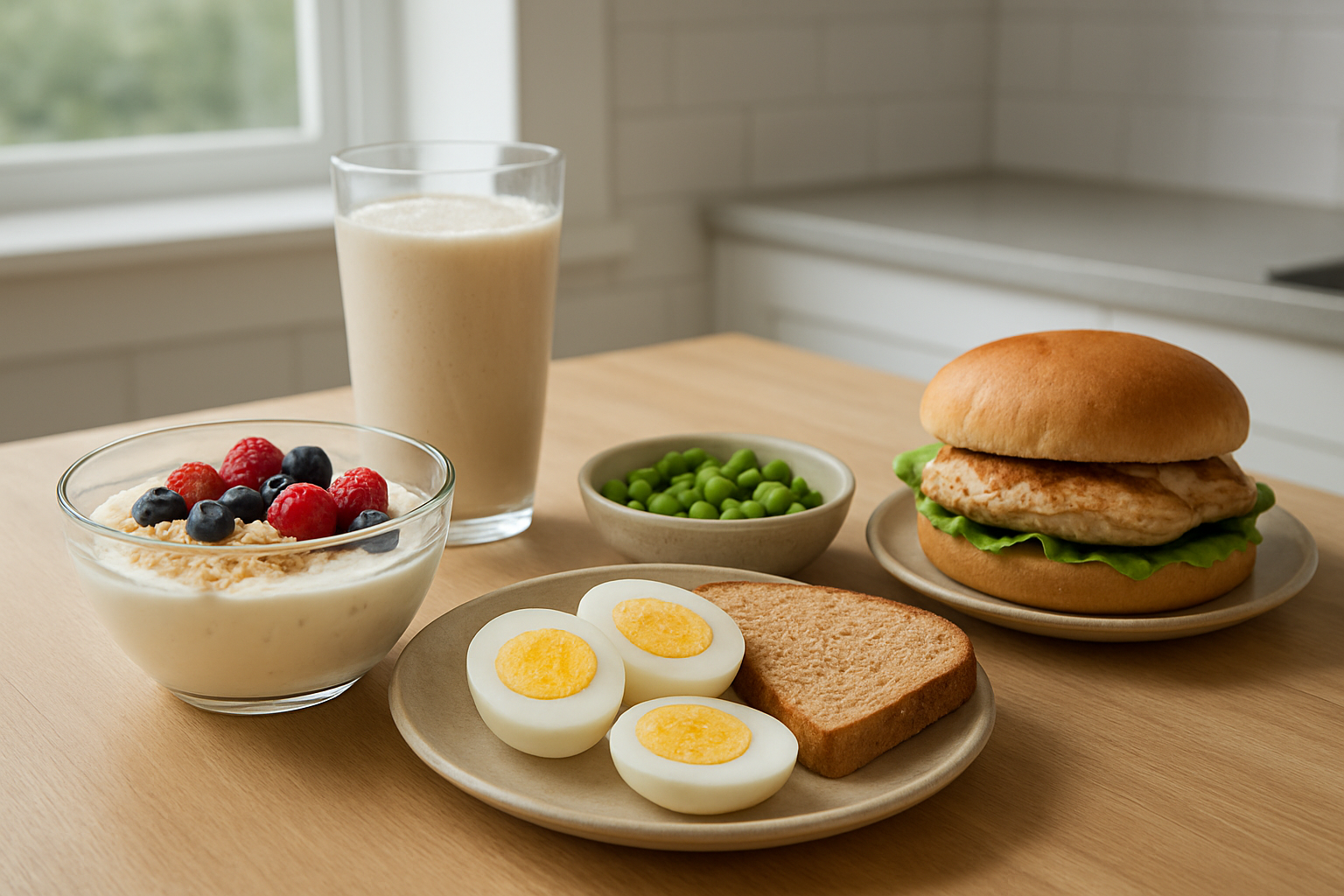
1. What makes a good recovery snack?
A useful recovery snack should help you reach your daily protein target without creating unnecessary planning or digestive problems. Protein supports muscle tissue repair and adaptation, while carbohydrates can help replace glycogen used during demanding training sessions.
Sports nutrition guidance commonly emphasizes adequate total protein and distributing protein across meals rather than relying only on one post-workout serving. The International Society of Sports Nutrition discusses protein quality, total intake, and timing in its position stand on protein and exercise. For general context on protein foods and exercise supplements, see the National Institutes of Health Office of Dietary Supplements FAQ.
- Protein: Aim for a substantial serving rather than choosing a snack that is mostly sugar or fat.
- Carbohydrates: Add fruit, oats, bread, cereal, or rice when you need faster refueling or have another session soon.
- Digestibility: Lower-fat, lower-fiber choices may feel better immediately after intense exercise.
- Practicality: A snack that is available and appealing is more useful than an ideal option you rarely eat.
2. Best protein-rich snacks for muscle recovery
1. Greek yogurt with fruit and oats
Best for: A balanced, no-cook recovery snack.
Plain Greek yogurt offers protein in a convenient format, while fruit and oats add carbohydrates. Choose a lower-fat version if you want quicker digestion or need to control calories; choose full-fat yogurt if you need a more substantial snack and tolerate it well.
Check the label because protein amounts vary widely between products. Some flavored yogurts contain considerable added sugar, which may be acceptable for your goals but should not be confused with protein content.
2. Cottage cheese with fruit or whole-grain crackers
Best for: A filling snack later in the day.
Cottage cheese is easy to portion and works with both sweet and savory foods. Pair it with berries, pineapple, or a banana, or serve it with whole-grain crackers and vegetables.
Its relatively thick texture and slower-digesting dairy proteins can make it satisfying between meals. If sodium is a concern, compare labels and choose a lower-sodium option when available.
3. Milk or a simple protein smoothie
Best for: Training days when you have little appetite.
Milk provides protein and carbohydrates in a drinkable form. A smoothie made with milk or soy milk, fruit, oats, and Greek yogurt can be useful when solid food feels unappealing after exercise.
Protein powder is optional rather than essential. Use it when it helps you reach your protein intake conveniently, not because it automatically improves recovery compared with ordinary foods.
4. Eggs on toast
Best for: A budget-friendly savory option.
Eggs provide complete protein and are easy to combine with toast, a bagel, or potatoes for carbohydrates. If you want a larger protein serving without making the snack too high in fat, combine whole eggs with egg whites.
This option requires preparation, so it works best if you batch-cook eggs or keep hard-boiled eggs ready in the refrigerator.
5. Tuna or salmon with crackers
Best for: A portable, high-protein savory snack.
A tuna or salmon pouch with whole-grain crackers provides protein, and the crackers add carbohydrates. Salmon also contributes dietary fat, which may make the snack more filling but can slow digestion for some people immediately after training.
Rotate seafood choices and follow storage instructions. Do not leave opened seafood unrefrigerated in a gym bag.
6. Edamame with fruit
Best for: A plant-based snack with useful fiber.
Edamame supplies protein, carbohydrates, and fiber. It can be eaten warm or chilled and pairs well with fruit when you want a more complete snack.

Because fiber may feel heavy for some people after hard training, reduce the portion immediately before another workout and eat it farther from exercise if necessary.
7. Tofu or tempeh wrap
Best for: A plant-based mini-meal.
Firm tofu or tempeh in a wrap gives you protein, carbohydrates, and a more substantial eating experience than a small snack bar. Add vegetables and a modest amount of sauce for flavor.
Tempeh is often firmer and more filling, while tofu can be easier to adapt to different meals. Compare nutrition labels because protein density differs between products.
8. Lean turkey or chicken sandwich
Best for: A familiar option when you need both protein and carbohydrates.
A small sandwich with lean poultry, bread, and vegetables is practical after strength or conditioning sessions. It can also replace a missed meal when you are traveling or moving directly from the gym to work.
Watch portion size and sodium if you rely heavily on processed deli meat. Freshly cooked chicken or turkey is a useful alternative when available.
9. Protein bar with fruit
Best for: Emergency convenience.
A protein bar can be useful in a car, office, or gym bag, but it should be judged by its nutrition label rather than its marketing. Look for a meaningful protein serving, manageable calories, and ingredients you tolerate.
Add fruit if the bar is low in carbohydrates or if you need a more satisfying snack. Bars with large amounts of sugar alcohols or added fiber may cause bloating in some people.
Here is a practical comparison of the main choices:
| Snack | What to look for | Best use | Warning sign |
|---|---|---|---|
| Greek yogurt | Protein listed clearly on the label | Fast balanced snack | Very small serving with little protein |
| Cottage cheese | Portion and sodium that fit your needs | Filling evening snack | You dislike the texture and waste it |
| Milk smoothie | Milk or soy base plus fruit | Low appetite | Large calorie load from many extras |
| Eggs and toast | Enough eggs or egg whites for your target | Budget savory meal | No preparation plan |
| Edamame | Plain or lightly seasoned portions | Plant-based recovery | Fiber discomfort immediately after training |
| Protein bar | Protein, calories, and ingredients you tolerate | Travel backup | High sugar alcohols or poor satiety |
3. How to choose the right option for your training
If you are eating a normal meal within a couple of hours, you usually do not need to force down a special snack immediately after training. Choose a snack sooner when your next meal will be delayed, your workout was long or demanding, or you struggle to eat enough during the day.
- For muscle gain: Choose a protein snack with carbohydrates and enough total calories to support your meal plan.
- For fat loss: Favor high-protein, filling options such as Greek yogurt, cottage cheese, eggs, or edamame, and measure calorie-dense additions.
- For endurance or double-session days: Include carbohydrates more deliberately, such as fruit, cereal, oats, bread, or rice.
- For plant-based diets: Rotate soy foods, beans, lentils, peas, and fortified plant milks rather than relying on one source.
- For sensitive digestion: Start with smaller portions and simpler foods, then adjust fiber, fat, and sweeteners based on your response.
Recovery needs also depend on the training itself. For resistance-training guidance, you can compare your nutrition plan with free weights versus machines for muscle building and review how to build a weekly muscle gain meal plan.
4. Common mistakes when choosing recovery snacks
- Focusing only on timing: A snack eaten immediately after exercise cannot compensate for consistently low daily protein or inadequate calories.
- Ignoring carbohydrates: Protein matters, but carbohydrates may be important when you need to restore training fuel quickly.
- Choosing by the word “high-protein”: Check the actual serving size and grams of protein.
- Adding too many extras: Nut butter, oils, granola, and large portions can turn a small snack into a full meal.
- Using supplements automatically: Powder and bars are convenient tools, not requirements for muscle recovery.
- Forgetting food safety: Keep dairy, eggs, meat, and seafood cold and follow package storage guidance.
5. A simple recovery-snack checklist
Before choosing a snack, ask yourself:
- Will my next full meal be more than a few hours away?
- Have I already eaten protein around this training session?
- Do I need carbohydrates for another workout or a long session?
- Will this portion fit my calorie and appetite needs?
- Can I digest it comfortably?
- Can I store and transport it safely?
6. What if a snack causes discomfort?
Reduce the portion and simplify the ingredients first. For example, replace a high-fiber bar with milk and a banana, or choose yogurt without large amounts of added sweeteners.
Persistent abdominal pain, vomiting, unexplained weight change, or symptoms linked to a suspected food allergy deserve medical advice. If you have kidney disease, diabetes, a diagnosed digestive condition, or another condition affected by diet, ask a qualified clinician or registered dietitian before making a major protein change.
7. Final recommendation by scenario
- Best overall: Greek yogurt with fruit and oats.
- Best budget choice: Eggs on toast or milk with a banana.
- Best plant-based choice: Edamame with fruit or a tofu wrap.
- Best for low appetite: A milk- or soy-based smoothie.
- Best portable choice: A protein bar paired with fruit, provided the label suits your needs.
- Best for a delayed meal: A chicken or turkey sandwich, cottage cheese with crackers, or a larger smoothie.
The best protein-rich snacks for muscle recovery are not necessarily the most specialized products. Pick a protein source you enjoy, add carbohydrates when your training demands them, and fit the snack into a consistent daily eating pattern. That approach is usually more useful than chasing a perfect post-workout food.