The best gym bag for daily workouts is usually a medium-sized bag with comfortable straps, a separate shoe compartment, and enough organization for your clothes, towel, bottle, and small essentials. Choose a compact duffel for simple gym sessions, a backpack for cycling or public transport, or a larger ventilated bag if you regularly carry shoes, shower items, and work clothes.
A gym bag affects how easily you can get ready, commute, and keep used clothing separate from clean gear. This guide compares practical bag styles rather than treating one design as ideal for everyone. You will see which option fits different routines, what to inspect before buying, and how to avoid paying for features you will not use.
1. Define what your daily workout bag must carry
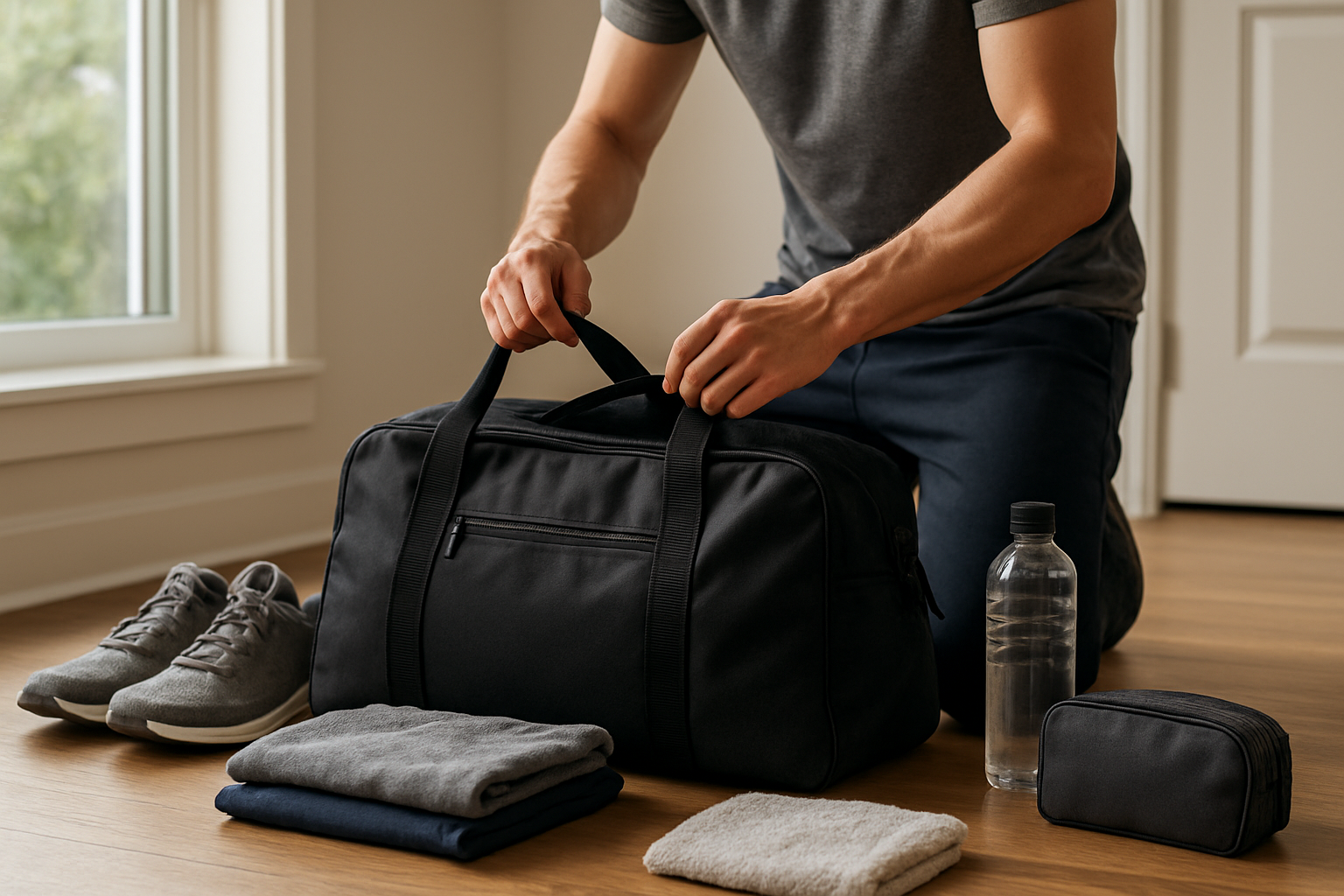
Before comparing styles, list what travels with you on a normal training day. A bag that works for a short lifting session may be frustrating if you also shower at the gym, commute to work, or carry a laptop.
- Basic session: clothes, towel, bottle, keys, phone, and a small toiletry kit.
- Work-to-gym routine: work clothes, training shoes, food containers, and possibly a laptop.
- Shower-at-the-gym routine: toiletries, shower sandals, towel, clean clothes, and a bag for damp items.
- Accessory-heavy routine: lifting straps, wraps, resistance bands, belt, gloves, or a small recovery tool.
Do not choose capacity by empty appearance alone. Internal layout matters: a wide main compartment is useful for clothing, while smaller pockets prevent keys and cables from disappearing underneath it.
2. Compare the best gym bags for daily workouts
The ranking below is based on practical suitability for repeated use: carrying comfort, organization, ventilation, durability of common materials, and ease of cleaning. These are bag categories, so individual construction can vary substantially between models.
Use this table as a starting point, then check the actual dimensions, strap design, closures, and care instructions of the bag you are considering.
| Rank | Bag type | Best for | What to look for | Warning sign |
|---|---|---|---|---|
| 1 | Medium ventilated duffel | Most regular gym users | Wide opening, padded handles, separate shoe or wet section | Large size with no internal organization |
| 2 | Gym backpack | Commuters, cyclists, and walkers | Ventilated back panel, stable shoulder straps, structured base | Uncomfortable load against your back |
| 3 | Convertible duffel backpack | People who switch between carrying styles | Adjustable straps and secure attachment points | Loose straps or awkward conversion hardware |
| 4 | Compact training duffel | Short sessions with minimal gear | Light construction, one useful exterior pocket | Too little room for shoes and a towel |
| 5 | Work-to-gym commuter bag | Office and gym combinations | Separate laptop sleeve, clothing space, upright structure | Business compartment leaves no room for kit |
| 6 | Large team-style duffel | Long sessions or extensive equipment | Reinforced base, strong zippers, robust carry points | Heavy and bulky when only partly filled |
| 7 | Minimal drawstring or sack bag | Very light training loads | Durable fabric and reliable cord channels | Little protection and no separation for damp items |
1. Medium ventilated duffel: the strongest all-round choice
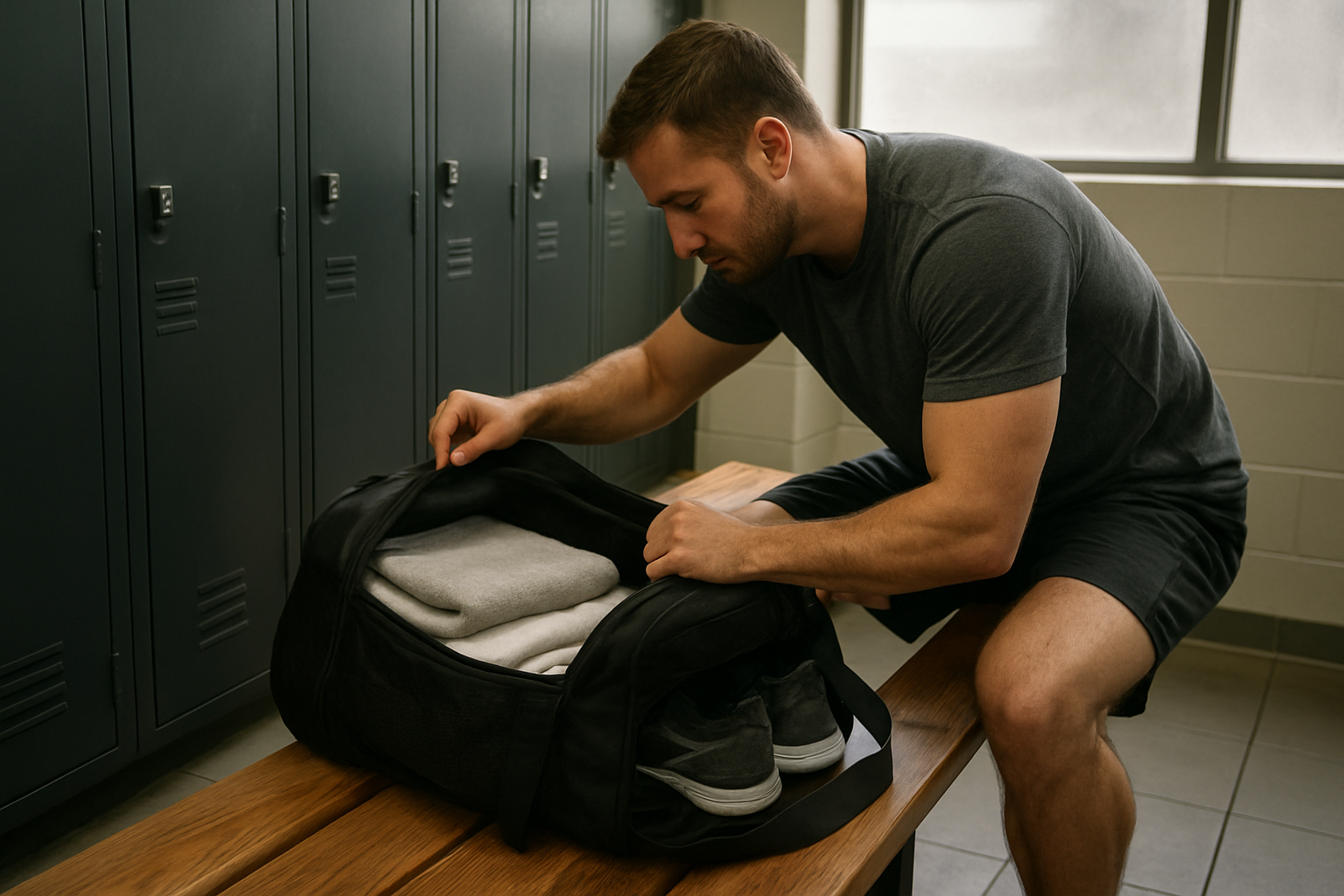
A medium duffel is the most balanced option for many daily gym routines. Its opening usually makes it easy to pack clothing and a towel, while a side shoe compartment can keep dirty footwear away from clean items. Ventilation is helpful after training, but it does not replace drying sweaty clothes before storing them.
Best for: standard gym sessions, strength training, and people who drive or use a locker.
Limitations: A duffel can become uncomfortable when carried for long distances on one shoulder. It may also lack the structure and back comfort needed for cycling or crowded public transport.
2. Gym backpack: the practical commuting pick
A backpack distributes weight across both shoulders and keeps your hands free. Look for broad, adjustable straps, a stable base, and enough depth for shoes without forcing the main compartment to bulge. A ventilated back panel can improve comfort, although it cannot prevent sweat in hot conditions.
Best for: walking, cycling, public transport, and carrying a modest amount of gear.
Limitations: A backpack may be harder to pack neatly, and the shoe compartment can reduce useful space. Avoid designs that place hard objects directly against your back.
3. Convertible duffel backpack: flexible but more complex
This design lets you carry the bag by hand, shoulder, or backpack straps. It can suit people whose commute varies from day to day. Inspect how the straps are stored and whether they remain secure when not in use.
Best for: mixed commuting and changing travel conditions.
Limitations: Extra hardware adds potential failure points and may increase weight. A convertible design is not automatically more comfortable than a dedicated backpack or duffel.
4. Compact training duffel: efficient for simple sessions
If you carry only clothing, a bottle, towel, and keys, a compact duffel avoids unnecessary bulk. It is easier to store at home and can fit into a small locker. Confirm that the listed capacity includes enough room for your shoes if you do not wear them to the gym.
Best for: short workouts, home-to-gym trips, and minimal packing.
Limitations: It becomes restrictive when you add shower items, a second pair of shoes, or work clothes.
5. Work-to-gym commuter bag: organized daily transitions
This category combines space for work essentials with a section for training equipment. A padded laptop sleeve is useful only if it is protected from bottles, shoes, and wet clothing. Separate compartments are valuable, but too many narrow pockets can reduce the main packing area.
Best for: people who go directly from work to training.
Limitations: These bags can be heavier and more expensive than a simple gym bag. Check whether the shoulder straps remain comfortable when both work and training loads are packed.
6. Large team-style duffel: useful for high-volume packing
A large duffel can hold lifting equipment, extra clothing, shower supplies, and food containers. Reinforced handles and a firm base matter more at this size because a full bag can become difficult to lift.
Best for: athletes carrying extensive equipment or spending long periods away from home.
Limitations: More capacity can encourage overpacking. A heavy bag may be inconvenient for daily commuting and may not fit comfortably in a small locker.
7. Minimal drawstring bag: the lightest option
A drawstring sack works when your workout gear is limited to a change of clothes and a few small items. It is inexpensive in concept and easy to store, but it offers little protection, organization, or separation between clean and used gear.
Best for: very light routines, indoor shoes kept at the gym, or a secondary carry bag.
Limitations: Thin fabric, narrow cords, and weak seams may not tolerate heavy equipment. It is a poor choice for wet clothing, valuables, or a laptop.
3. Inspect the features that matter most
Capacity and shape
Compare the bag’s dimensions with the items you already own rather than choosing a size from a label such as “medium.” A rectangular base often packs more efficiently than a soft, rounded shape. Leave a little spare space so zippers are not strained and damp clothing is not compressed against clean items.
Compartments and access
At minimum, you should be able to reach keys, headphones, and identification without emptying the main compartment. A separate shoe compartment is useful when it is large enough for your footwear and easy to wipe clean. A wet pocket can help temporarily isolate a towel or swimsuit, but used clothing should still be aired out promptly.
Carrying comfort
For a duffel, check whether the shoulder strap is padded and whether the handles can be joined securely. For a backpack, adjustability, chest support, and a stable load are more important than decorative straps. Try packing the bag before deciding: comfort changes when the weight is concentrated on one side.
Materials, closures, and cleaning
Common synthetic fabrics are practical because they are usually light and easier to wipe than absorbent materials. Look closely at seam stitching, zipper tracks, handle attachments, and the base. The care label is important; a bag that cannot be washed or wiped safely may be inconvenient for frequent use.
4. Use this buyer checklist before ordering
- Measure your usual shoes, bottle, towel, and toiletry kit.
- Decide whether the bag must carry work items or a laptop.
- Choose a carrying style that matches your commute.
- Check the actual dimensions, empty weight, and compartment openings.
- Look for reinforced handle attachment points and smooth, covered zippers.
- Confirm how the fabric and lining should be cleaned.
- Plan where the bag will dry after a workout.
5. Common mistakes when choosing a gym bag
- Buying the largest bag available: Extra room can turn into unnecessary daily weight.
- Prioritizing appearance over access: A stylish bag is less useful if your bottle or keys are difficult to reach.
- Assuming ventilation solves odor: Airflow helps, but sweaty items still need to be removed and dried.
- Ignoring the commute: A shoulder-only duffel may be awkward if you walk a long distance or cycle.
- Overlooking locker dimensions: Check whether the packed bag fits where you plan to store it.
- Using a laptop sleeve as general storage: Keep sharp, wet, or heavy gym equipment away from electronics.
6. What if your routine changes?
What if you train before work?
Choose a bag with enough separation for clean clothing, shoes, toiletries, and a towel. Pack damp items in a washable pouch temporarily, then remove them as soon as you can.
What if you carry lifting accessories?
A structured duffel or wide-opening backpack is usually easier to organize than a narrow sack. Small internal pockets can keep straps and wraps from mixing with clothing, while a firm base helps prevent the bag from collapsing.
What if the bag starts to smell?
Empty it after every session, open all compartments, and follow the manufacturer’s cleaning instructions. Do not seal wet clothes inside for long periods. If the lining remains damaged or develops persistent odor despite proper cleaning, replacement may be more practical than adding fragrance.
7. Final recommendations by scenario
For most daily gym users: choose a medium ventilated duffel with a useful shoe compartment and comfortable shoulder options.
For commuters: choose a gym backpack with stable straps, a structured base, and enough room for only the gear you actually carry.
For office-to-gym routines: choose a commuter-focused bag with genuine laptop protection and a separate clothing area.
For minimal packers: choose a compact duffel; use a drawstring bag only when your load is genuinely light.
For equipment-heavy training: choose a large reinforced duffel, but confirm that its weight and size suit your storage and commute.
The best gym bags for daily workouts are not necessarily the biggest or most feature-packed. Match capacity and carrying style to your real routine, then give priority to easy access, clean separation, and construction that can handle repeated use. For broader training planning, see how to set up a beginner gym workout schedule, and visit the LaokFitness homepage for more practical fitness guides.