The best protein shaker bottle for daily use is usually the one that mixes your drink reliably, seals securely, and is easy to clean after every session. You do not necessarily need the largest bottle or the most accessories; you need a design that fits your routine and avoids common hygiene and convenience problems.
This protein shaker bottles review for daily use is based on general product-design criteria and practical buying considerations, not personal testing of a particular model. Use it to compare construction, mixing systems, cleaning demands, portability, and fit for your training schedule.
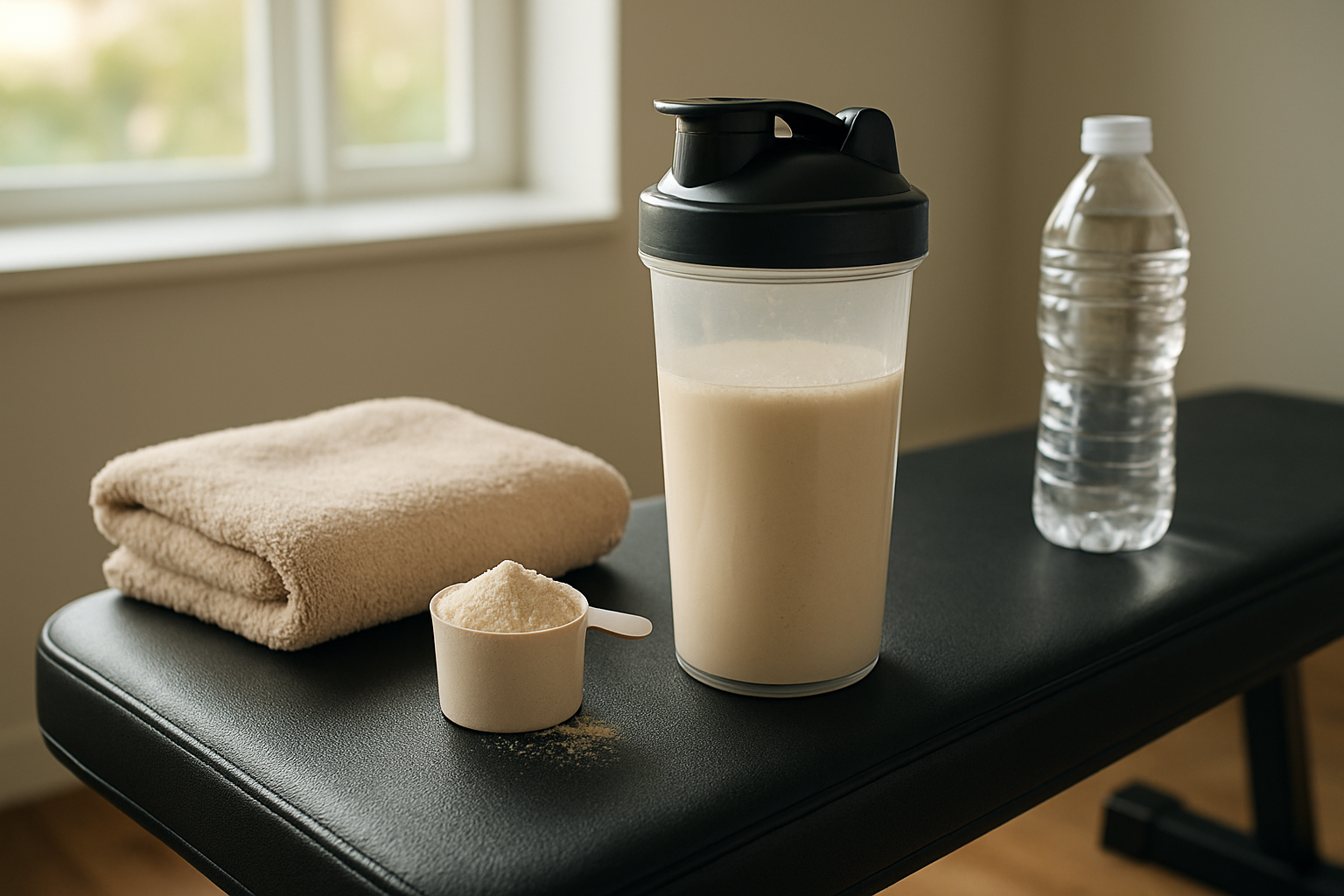
1. Start with your daily routine and drink size
Before comparing bottles, identify when and where you will use one. A shaker carried in a gym bag has different requirements from a bottle kept at home for a single post-workout drink.
- For gym sessions: look for a secure lid, a compact shape, and enough capacity for your usual serving and liquid.
- For commuting: prioritize leak resistance, a comfortable grip, and a lid that cannot open accidentally in a bag.
- For multiple drinks: a larger capacity may be useful, but check whether it still fits your cup holder or refrigerator shelf.
- For occasional use: a simple bottle may be better value than a model with storage compartments and several attachments.
Capacity markings are useful, but the maximum volume is not always the practical capacity. Leave room for powder, ice, and movement so the contents can circulate during shaking.
2. Compare the mixing mechanism
Most shaker bottles use either a wire mixing ball, a plastic grid or insert, or a more basic rounded interior. These systems can all work, but their usefulness depends on the powder, liquid volume, and how thoroughly you shake.
Wire ball designs
A stainless-steel wire ball moves through the liquid as you shake. It is removable and generally simple to rinse, although it can make noise and may be inconvenient if it is left inside the bottle during storage.
Grid and insert designs
A plastic grid can break up clumps as liquid passes through it. It may be quieter than a wire ball, but it adds another surface that needs cleaning and can be awkward to dry completely.
Simple bottles
A smooth bottle without an insert is easy to wash and store. It may be adequate for thin drinks or well-dispersing powders, but it offers less help when a powder tends to settle or form lumps.
No shaker mechanism can compensate for unsuitable liquid volume or powder that is added carelessly. Following the product’s mixing instructions, adding liquid before powder when appropriate, and shaking soon after adding ingredients can reduce clumping.
These are the main features to compare before buying:
Mixing system and daily-use implications
| What to look for | Useful when | Warning sign |
|---|---|---|
| Removable stainless-steel ball | You want a simple, reusable mixing aid | The ball is difficult to remove or clean |
| Removable plastic grid | You prefer quieter operation | Small channels can trap residue |
| Smooth interior | Easy washing and quick drying matter most | The design relies on shaking alone for thick mixtures |
| Wide mouth | You add powder, ice, or thicker ingredients | The opening is too narrow for a brush |
| Clear measurement marks | You regularly control liquid volume | Markings are difficult to read or likely to wear |
3. Check materials, lid construction, and leak resistance
Material choice affects weight, odor retention, durability, and maintenance. Plastic bottles are often light and practical for carrying, while stainless-steel bottles may resist some odors and feel more robust. However, steel can make it harder to see the liquid level and may not be suitable if you need accurate visual measurements.
Look for a lid that closes with a clear, positive action. A screw-top cap should engage fully, and a flip-top should not depend on a loose or fragile latch. The drinking spout should have a seal that sits evenly; a lid with several detachable parts may improve sealing but increases the cleaning workload.
Do not treat a general “leakproof” label as a permanent guarantee. Seals can wear, threads can cross, and caps can loosen when a bottle is packed under pressure. Before carrying a new shaker with clothing or electronics, fill it with water and test it upright and on its side.
4. Make cleaning the deciding factor
A shaker bottle used daily needs a cleaning routine that you can actually maintain. Residue left in a lid, thread, valve, or mixing insert can produce unpleasant odors and make the bottle harder to use.
A wide opening is valuable because it allows a bottle brush to reach the base and sides. A dishwasher-safe label can be helpful, but check whether it applies to the lid, seals, and mixing components as well as the main container.
- Rinse the bottle soon after finishing the drink.
- Separate the lid, seal, and mixing component when the design allows it.
- Wash all contact surfaces with warm water and suitable dish soap.
- Allow every part to dry separately before reassembly.
- Inspect seals periodically for trapped residue, distortion, or cracking.
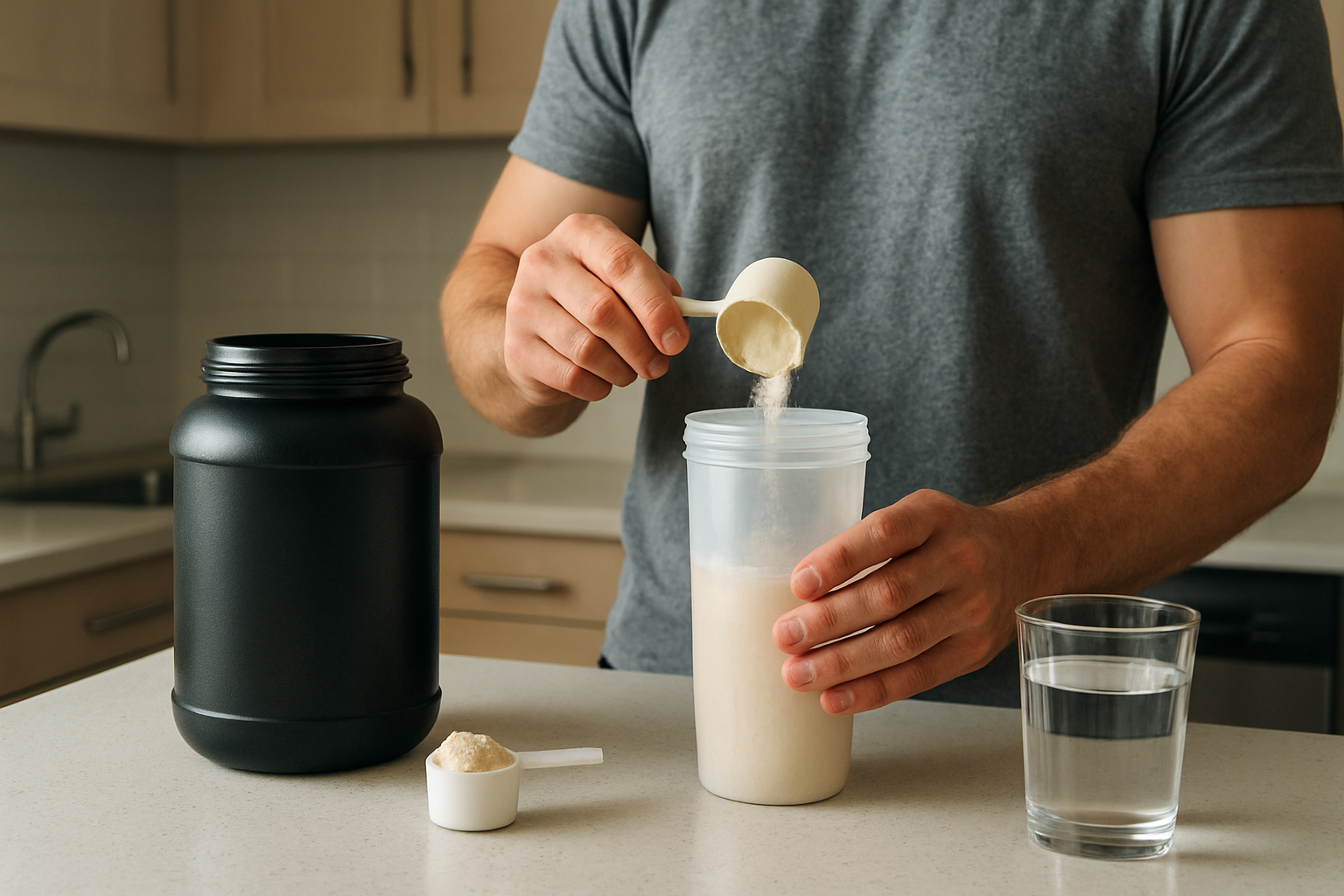
Do not leave a protein drink sitting in a closed bottle for long periods. If a bottle develops a persistent odor despite thorough washing, replacing the affected seal or the entire bottle may be more practical than masking the smell.
5. Consider portability and comfort
Daily use often exposes weaknesses that are not obvious in a product photograph. A bottle can be technically large enough but uncomfortable to hold, too tall for your bag, or difficult to clean because of an unusually narrow base.
Check the exterior shape, grip texture, lid size, and overall balance when full. A carrying loop can help, but it should be attached securely and should not interfere with opening the cap. If you use public transport or carry the bottle beside a laptop, treat leak prevention as more important than a built-in storage compartment.
Storage compartments for powder or supplements can be convenient when you prepare a drink away from home. They also add threads, seals, and parts that require cleaning. Decide whether the extra organization solves a real problem in your routine.
6. Match the bottle to your training setup
Your shaker does not need to be selected in isolation from the rest of your fitness routine. If you follow a structured program, a consistent bottle capacity can make hydration and post-workout preparation easier. The beginner gym workout schedule guide can help you think through when you will actually carry and use one.
For home training, compact storage may matter more than maximum capacity. If you exercise in a small apartment, compare the bottle’s height with your available shelves and consider whether it can be washed without taking over the sink. You may also find the practical equipment advice in the guide to quiet cardio workouts for small apartments useful when planning a compact setup.
7. Avoid common buying mistakes
Choosing by appearance alone
Color and shape can influence your decision, but they do not show whether the lid seals properly or whether the insert is easy to wash. Treat photographs as a starting point, not proof of performance.
Buying more capacity than you need
A very large bottle may be heavy when full and inconvenient to store. Select a size based on your usual drink, not an occasional need.
Ignoring replacement parts
Seals and caps often determine whether a bottle remains useful. Before purchasing, check whether the manufacturer identifies replacement components clearly. If that information is unavailable, factor the possibility of replacing the whole bottle into your value assessment.
Assuming dishwasher safety solves hygiene
A dishwasher can clean many surfaces, but narrow channels and seals may still need inspection. Follow the care instructions and dry parts fully.
8. What if the shaker does not work well?
If the drink is lumpy: confirm that there is enough liquid, add the powder in the recommended order, and use the mixing insert correctly. Some thick products may require a blender rather than a basic shaker.
If the bottle leaks: check that the seal is seated, the lid is fully threaded, and the drinking opening is closed. Test it with water before using it in a bag.
If it smells: disassemble the lid and wash every component. Persistent odor, visible cracking, or damage to a seal is a reason to replace the relevant part or bottle.
If it is uncomfortable to carry: reduce the fill level, use a smaller capacity, or choose a model with a more secure grip and carrying loop.
9. Daily-use checklist before you buy
- Does the capacity match your usual drink?
- Can you reach the base and lid with a brush?
- Is the mixing component removable and easy to rinse?
- Does the closure require a clear, deliberate locking action?
- Are the seals and replacement parts identifiable?
- Will the bottle fit your gym bag, desk, refrigerator, and cup holder?
- Can you commit to rinsing and drying it after every use?
10. Alternatives and next actions
A shaker bottle is not always the right tool. A blender may be more appropriate for thick smoothies, while a plain wide-mouth bottle can be enough for water or thin drinks. If you mainly need a container for hydration rather than powder mixing, prioritize cleaning and leak resistance instead of buying a specialized shaker.
For a wider equipment-planning context, you can compare this purchase with other training accessories on the LaokFitness homepage. Equipment choices should support your routine rather than create extra maintenance that you will stop doing.
Conditional verdict: A good protein shaker bottle for daily use is worth choosing when its capacity, seal, mixing method, and cleaning requirements fit your actual schedule. Favor a simple, wide-mouth design if hygiene and reliability matter most; consider a ball or grid insert when your powder commonly clumps. The right choice is the bottle you can clean consistently, carry safely, and use without unnecessary parts.