The best workout playlists for strength training are steady, familiar, and matched to the demands of your session. For heavy barbell work, choose music with a consistent beat and enough intensity to keep you engaged without forcing you to rush your reps.
The right playlist will not replace a sound program, good technique, or adequate recovery. It can, however, make warm-ups easier to start, rest periods more consistent, and repetitive training sessions more manageable. This guide compares useful playlist styles so you can choose music for strength, hypertrophy, home workouts, or focused lifting.
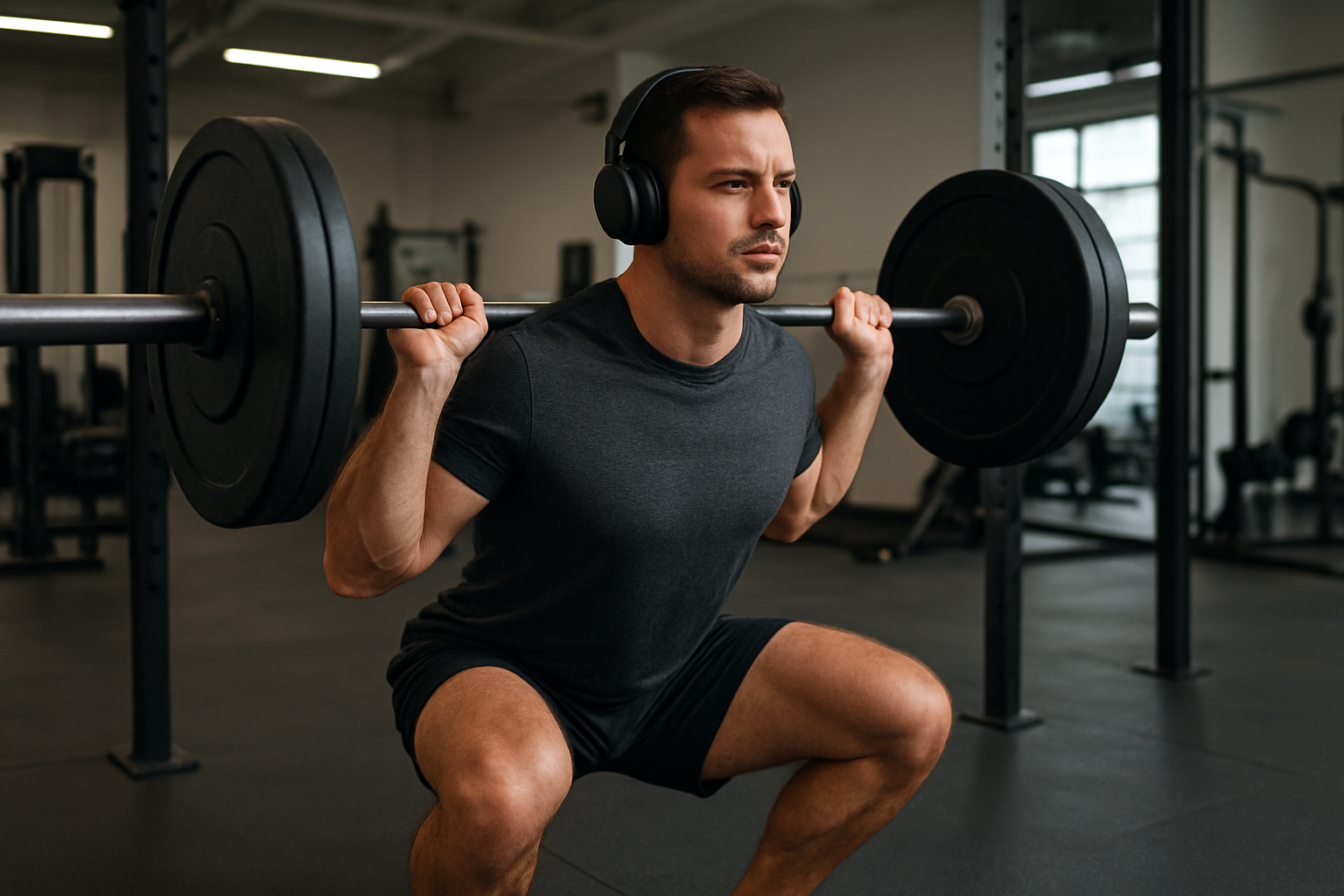
1. How to choose music for strength training
Strength workouts have different demands from running or circuit training. You usually perform fewer repetitions, rest longer, and need to pay close attention to bracing, range of motion, and bar path. A playlist that works well for continuous cardio may become distracting during a technically demanding deadlift or squat session.
Use these criteria before selecting a playlist:
- Tempo: A steady beat can support rhythm, but very fast music may encourage rushed repetitions.
- Consistency: Avoid frequent changes in volume, genre, or mood during heavy sets.
- Lyrics: Familiar lyrics can be motivating, while complex or aggressive vocals may reduce concentration.
- Session structure: A playlist should cover your warm-up, working sets, and cooldown without constant skipping.
- Personal response: The best choice is the music that helps you train with control, not simply the music that sounds intense.
Music is an aid to adherence and focus, not a substitute for sensible programming. For general activity guidance, see the CDC’s adult physical activity recommendations and the American College of Sports Medicine’s position statements.
2. Best workout playlists for strength training
The rankings below are based on practical usefulness: focus, pacing, versatility, suitability for resistance training, and how easy the playlist style is to adapt to your own preferences. Individual tracks change frequently, so treat the linked examples as starting points rather than permanent recommendations.
1. Instrumental electronic and cinematic focus
Best for: Heavy squats, deadlifts, presses, and technical compound lifts.
Instrumental electronic music gives you energy without competing with lyrics. A steady pulse can make the session feel organized, while cinematic sections can provide intensity before a top set. Choose tracks with gradual builds rather than abrupt drops that might affect your concentration.
Limitations: Some electronic playlists become repetitive or overly dramatic. If the beat makes you rush your setup, switch to slower instrumental music or silence for the heaviest attempts.
2. Classic rock and hard rock
Best for: General gym sessions, upper-body training, and lifters who enjoy strong guitar-driven rhythm.
Rock offers clear transitions between songs and works well when your session includes several exercises. Familiar tracks can also reduce the need to manage your phone between sets. Keep an eye on volume, especially when cymbals and distorted guitars make the mix sound louder than expected.
Limitations: Sudden changes in tempo can make a playlist feel uneven. Remove songs that encourage you to speed through warm-up sets or shorten rest periods unnecessarily.
3. Hip-hop workout mix
Best for: Moderate-to-high-volume lifting, bodybuilding sessions, and workouts where motivation matters more than calm concentration.
Hip-hop can provide a strong sense of momentum during repeated sets of rows, presses, lunges, and machine work. Spotify’s Hip-Hop Workout Mix is one convenient example of this format.
Limitations: Explicit lyrics, dramatic volume changes, or highly familiar songs may pull your attention away from technique. Create a clean or more predictable version if you train in a shared space.
4. Rap, rock, and metal lifting mix
Best for: Short, demanding sessions and lifters who respond well to aggressive energy.
A mixed rap, rock, and metal playlist can work particularly well for final working sets or sessions that feel mentally difficult. The variety helps prevent the music from becoming monotonous, but the selection should still have a consistent energy level.
Limitations: High-intensity music is not automatically better. If you notice poor bracing, excessive arousal, or careless loading, use this style only for accessories and finishers. A public example is Spotify’s Pumping Iron playlist.
5. Low-distraction lo-fi and ambient beats
Best for: Beginners, home workouts, mobility work, and long sessions that require patience.
Lo-fi and ambient music create background stimulation without demanding much attention. This is useful if you are learning a new routine, training in a busy home environment, or finding loud music tiring. It also suits warm-ups before you move to heavier work.
Limitations: Some lifters find it too subdued for hard sets. If the music lowers your effort, use a more energetic playlist only during the final portion of the workout.
6. Pop and upbeat mainstream mix
Best for: Beginners, full-body workouts, and people who prefer familiar songs.
Pop is easy to listen to and usually offers broad variety. It can make an unfamiliar gym feel less intimidating, especially when you are building a regular training habit.
Limitations: The energy level may vary widely from song to song. Remove slow tracks that interrupt your working rhythm and avoid changing songs repeatedly during rest periods.
7. Gaming and soundtrack-inspired playlist
Best for: Solo home-gym training and people who prefer instrumental motivation.
Game and film soundtracks often use repeated themes, rising intensity, and clear sections. That makes them suitable for warm-up, working sets, and a final block of accessories without relying on lyrics.
Limitations: Dramatic music can make an ordinary set feel more urgent than it should. Keep your programmed repetitions and rest times in charge.
8. Personalized training playlist
Best for: Experienced lifters who know which songs help them focus.
A personal playlist is often the most useful option because it reflects your preferred tempo, language, and training environment. Include a few reliable songs for difficult sets, but avoid making every track a “maximum effort” song. Contrast helps the important moments feel distinct.
Limitations: Building the playlist takes time, and your preferences may change. Review it every few weeks and remove tracks that now feel distracting or repetitive.
Here is a practical comparison of the main options:
| Playlist style | What to look for | Best use | Warning sign |
|---|---|---|---|
| Instrumental electronic | Steady beat, gradual builds | Heavy compound lifts | You rush your setup |
| Classic rock | Familiar tracks, even energy | General lifting | Uneven song volume |
| Hip-hop | Strong rhythm, manageable lyrics | Higher-volume sessions | Lyrics reduce focus |
| Rock and metal | Short, intense tracks | Hard sets and finishers | You ignore technique |
| Lo-fi or ambient | Low distraction, consistent tone | Beginners and home workouts | Energy feels too low |
| Personal mix | Known, dependable songs | Regular training routine | Too much phone management |
3. Match the playlist to your workout structure
Your music should support the session you planned. If you are following a push-pull-legs routine, for example, you may prefer different energy levels for heavy pressing, pulling volume, and leg training. The guide on how to structure a push-pull-legs workout routine can help you organize the training before you choose the soundtrack.
- Warm-up: Use moderate music while you raise body temperature and practice movement patterns.
- Main lift: Choose familiar, steady tracks and consider lowering the volume before a heavy set.
- Accessory work: Use more varied music because the technical demand is often lower.
- Cooldown: Shift to calmer tracks so the session ends without another intensity spike.
For squat- and deadlift-focused days, controlled music may be more useful than the loudest possible playlist. You can compare the demands of those lifts in Deadlift vs Squat for Overall Strength.
4. How to use music without compromising safety
Keep one ear available or use a volume level that allows you to hear gym staff, training partners, and equipment. Do not let headphones block important instructions, particularly in a crowded weight room.
Music should never persuade you to attempt a load you cannot control. If pain, dizziness, unusual shortness of breath, chest pressure, or loss of coordination occurs, stop the exercise and seek appropriate medical advice. Beginners with a known medical condition should ask a qualified professional how to start resistance training safely.
5. Common mistakes when choosing lifting music
- Choosing only high-intensity songs: Constant hype can make every set feel urgent and reduce pacing quality.
- Using a playlist that is too short: Repeated tracks may become irritating during longer sessions.
- Skipping songs after every set: Phone management breaks concentration and can extend rest periods unpredictably.
- Ignoring volume: Loud music can make communication and environmental awareness more difficult.
- Copying someone else’s taste: A popular playlist is not automatically useful for your training response.
6. A simple playlist checklist
Before your next workout, check the following:
- Does the playlist cover the full session?
- Are the first songs suitable for your warm-up?
- Do the heaviest lifts have steady, familiar music?
- Are there any tracks with distracting volume changes?
- Can you hear instructions and equipment around you?
- Will the playlist work if you train without checking your phone?
7. Final recommendation by training scenario
For heavy strength training, start with instrumental electronic or soundtrack-inspired music. For hypertrophy and general gym sessions, choose hip-hop, classic rock, or a balanced personal mix. For beginners, home workouts, or technique practice, lo-fi and moderate pop are usually easier to manage.
The best workout playlists for strength training are not necessarily the loudest or most aggressive. Choose music that helps you begin on time, maintain deliberate technique, respect your rest periods, and finish the session with enough energy to recover well.