For most beginners, a commercial gym is the better starting point if you need equipment variety, instruction, and an environment that encourages consistency. A home gym can be the better choice when convenience, privacy, and a low-friction routine matter more than having access to every machine.
The best option is not the one with the most equipment. It is the place where you can train safely and regularly with a plan that matches your goals, schedule, budget, and confidence level. This guide compares a home gym vs commercial gym for beginners so you can choose based on practical tradeoffs rather than assumptions.
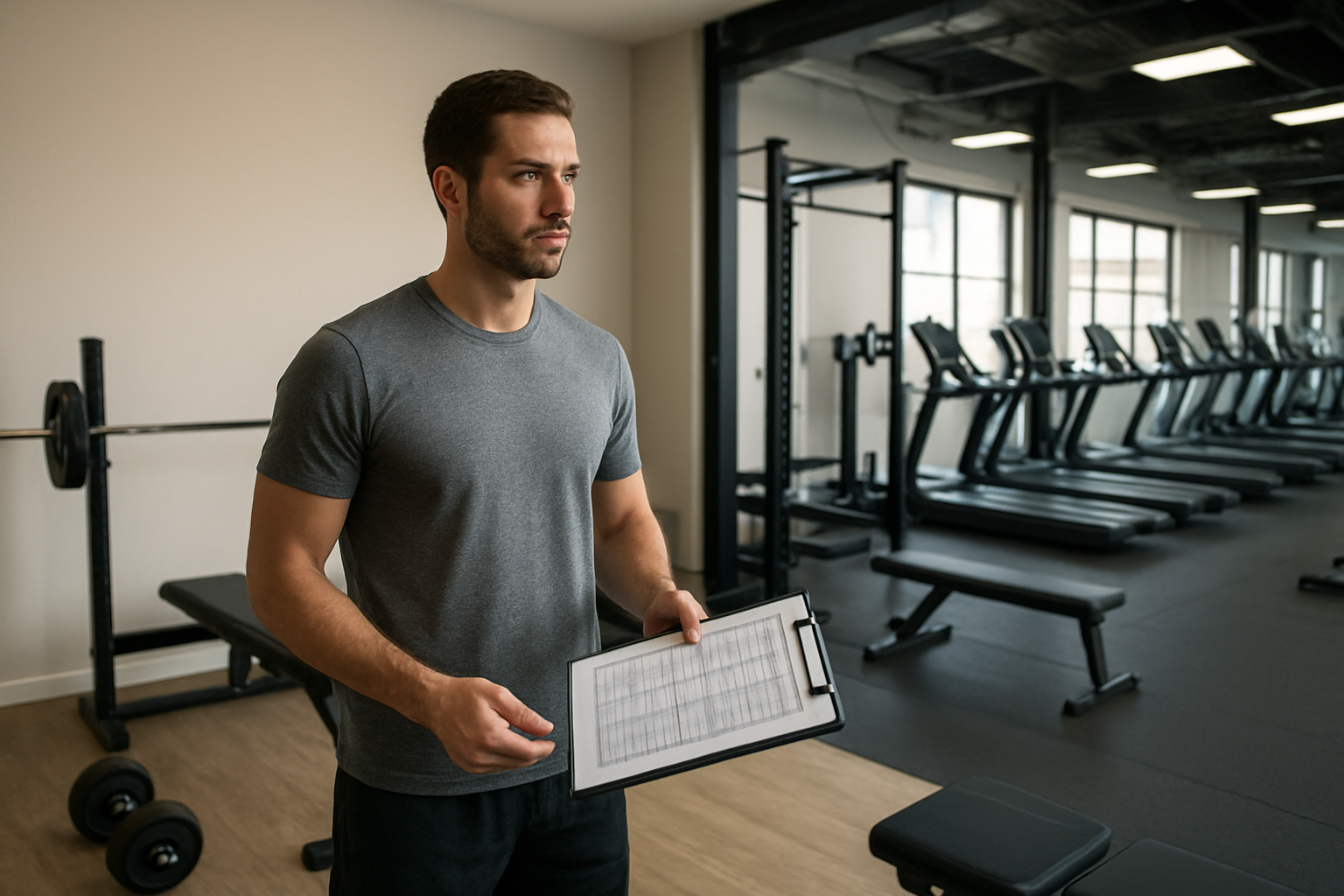
1. Start with your real training requirements
Before comparing facilities, define what you actually need to do. Beginners often overestimate the equipment required and underestimate the importance of showing up consistently.
For general health, your program can include walking, cycling, bodyweight movements, resistance bands, dumbbells, or weight machines. Current guidance from the Centers for Disease Control and Prevention recommends that adults include aerobic activity and muscle-strengthening work during the week. You do not need a commercial gym to begin meeting those basics.
- General fitness: You can make progress with bodyweight exercises, bands, dumbbells, and cardio equipment.
- Muscle gain: A commercial gym offers more options for gradually increasing resistance, but a home setup can work with adjustable dumbbells and a rack.
- Weight loss: The best location is the one that helps you train consistently and supports an eating pattern you can maintain.
- Strength training: A commercial gym is usually more convenient for heavier barbells, benches, racks, and specialized machines.
- Rehabilitation or mobility: You may benefit from professional guidance before choosing equipment or increasing training volume.
2. Compare the most important differences
The following table summarizes the main decision points. Treat each category according to your own priorities. A weakness that is minor for one beginner may be the reason another person stops training.
Home gym vs commercial gym for beginners: practical comparison
| Factor | Home gym | Commercial gym | What to consider |
|---|---|---|---|
| Convenience | No commute and easy access | Requires travel and preparation | Count the full door-to-door time, not just workout time. |
| Upfront cost | Can be modest or substantial | Usually membership-based | Compare equipment purchases with the membership period you expect to use. |
| Equipment variety | Limited by space and budget | Usually broad, including machines and free weights | Choose based on your actual program, not an imagined advanced routine. |
| Privacy | High, if your space allows it | Lower, with other members nearby | Privacy may make it easier to learn if you feel self-conscious. |
| Coaching | Usually self-directed or online | Staff, trainers, and classes may be available | Check qualifications and whether instruction costs extra. |
| Motivation | Quiet and flexible, but easy to skip | Training atmosphere can encourage effort | Some people need social accountability; others prefer fewer distractions. |
| Safety | Depends on setup, flooring, and supervision | Often more suitable for heavy lifting, but crowded areas create risks | Use appropriate loads and learn basic technique before progressing. |
3. Understand the strengths of a home gym
Convenience can remove the biggest beginner obstacle
A home gym makes it possible to train immediately after waking up, during a lunch break, or while managing family responsibilities. Removing the commute can be valuable when your schedule is unpredictable or your nearest gym is far away.
The main benefit is not that home workouts are automatically better. It is that fewer steps stand between you and the first exercise. If you can complete a 25-minute workout at home but regularly postpone a one-hour gym trip, the home option may produce better results.
Privacy can make learning easier
Some beginners feel uncomfortable exercising around experienced lifters. Training at home gives you room to practice basic movements, record your technique, and follow a beginner program without feeling observed.
A simple starting setup might include an exercise mat, resistance bands, adjustable dumbbells, and a stable bench. Add equipment only when your current setup limits a specific goal. You may also find useful ideas in this guide to dumbbell exercises for a full-body workout.
Home gyms have real limitations
Space, noise, storage, and household interruptions can reduce the quality of your sessions. Heavy training also requires more attention to flooring, rack stability, ceiling height, and safe lifting practices.
Another common problem is buying equipment before building a routine. A large collection of unused items costs more than a basic setup that you use consistently.
4. Understand the strengths of a commercial gym
More equipment supports more training options
A commercial gym gives you access to machines, cable stations, benches, racks, cardio equipment, and different weight increments. This can make it easier to train around a limitation or change exercises without purchasing new equipment.
It is particularly useful if your goals include lifting heavier weights, building muscle through a wide range of movements, or learning barbell exercises. However, equipment availability does not replace a sensible progression plan.
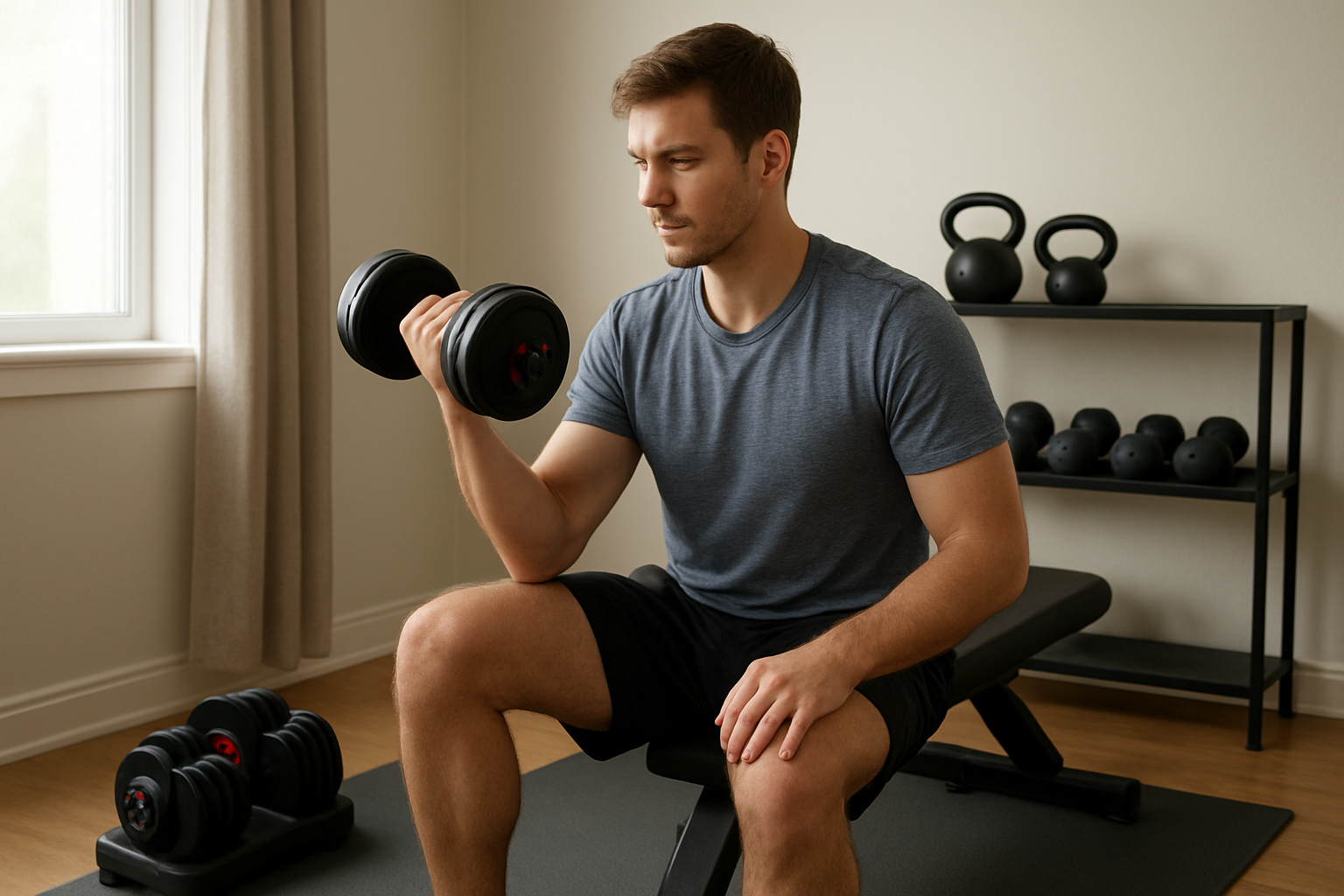
Instruction and structure can improve confidence
Many gyms offer introductory sessions, group classes, or personal training. These services can help you learn setup, movement patterns, and basic gym etiquette. Ask what is included before paying for additional coaching, and look for instruction that explains why an exercise is appropriate rather than simply telling you to lift harder.
A commercial gym can also provide external structure. Packing a gym bag, traveling to a fixed location, and seeing other people train may create a stronger commitment than an open-ended home routine.
Commercial gyms can also create friction
Membership fees, crowded peak hours, travel time, noise, and intimidation are common drawbacks. If you dislike the environment or cannot reliably reach the facility, its equipment advantage may not matter.
Before joining, visit at the time you plan to train. Check whether the equipment you need is available, whether the facility is clean and well maintained, and whether staff can explain emergency procedures.
5. Match the choice to your beginner scenario
Choose a home gym when:
- You have limited time and a long commute would reduce consistency.
- You prefer privacy while learning basic movements.
- You mainly need bodyweight exercises, bands, dumbbells, or moderate cardio.
- You can create a dedicated, uncluttered training area.
- You are comfortable following a written or professionally designed program.
Choose a commercial gym when:
- You want access to barbells, racks, machines, cables, and heavier weights.
- You learn better with in-person instruction or group accountability.
- You are motivated by a dedicated training environment.
- You live in a small space or cannot store equipment safely.
- You want to explore different activities before buying home equipment.
Consider a hybrid approach when:
- You train at home on busy days and use a gym for heavier or more specialized sessions.
- You want to learn technique with a trainer before practicing independently.
- You enjoy commercial-gym equipment but need a home backup for travel or bad weather.
6. Avoid common beginner decision mistakes
- Choosing based on equipment alone: More machines do not help if you rarely attend.
- Buying too much too soon: Start with the equipment needed for your first program.
- Ignoring travel time: A membership is less useful when the commute repeatedly causes missed workouts.
- Assuming gym members are judging you: Most people are focused on their own session. Begin with a simple plan and learn the layout.
- Progressing too quickly: Increase resistance gradually and keep technique controlled.
- Skipping recovery: Training more often is not always better. Use rest, sleep, and manageable volume.
If soreness makes it difficult to continue, review these practical strategies for managing delayed onset muscle soreness naturally. If your routine includes lower-body training, mobility work such as the drills in this ankle mobility guide may also be useful.
7. Use this decision checklist before committing
- Can I reach this training space at least two or three times per week?
- Do I have enough room and safe flooring for the exercises I plan to do?
- Will I need coaching, or can I follow a beginner plan independently?
- What equipment is essential for my goal during the next three months?
- What happens when I am tired, busy, traveling, or unmotivated?
- Have I checked the total cost, including membership, transport, equipment, and coaching?
- Can I test the setting before making a long-term commitment?
8. What if you still cannot decide?
Use a short trial instead of debating indefinitely. Complete two or three weeks of structured home workouts, or purchase a short commercial-gym membership if available. Track completed sessions, travel time, confidence, and whether the equipment helped you follow your plan.
Choose the option that produces the most completed, repeatable workouts. If you have a medical condition, persistent pain, or uncertainty about returning to exercise, speak with an appropriate healthcare professional before increasing intensity.
Next actions for a confident start
- Write down your primary goal for the next eight weeks.
- Choose three realistic training days and a minimum session length.
- Select either a basic home setup or a gym that fits those days.
- Follow a simple full-body routine instead of changing exercises every session.
- Review your consistency after four weeks before buying more equipment or changing facilities.
The better choice in a home gym vs commercial gym comparison is the one that makes consistent, safe training easiest for you. A commercial gym is usually the more flexible option for equipment and coaching, while a home gym is often the more convenient and private option. Start with your real constraints, test the setting when possible, and let completed workouts—not marketing or gym culture—make the final decision.
For broader training and recovery guidance, visit the LaokFitness homepage.