Short answer: electrolyte powders can be useful for long, hot, or particularly sweaty endurance sessions, but they are not automatically better than water. The most important label detail is usually sodium, followed by carbohydrate content, serving size, taste, and whether the product suits your actual sweat and fueling needs.
This electrolyte powders review for endurance workouts focuses on how to evaluate the category rather than declaring one universal winner. Your best choice depends on workout duration, weather, sweat rate, diet, stomach tolerance, and whether you also need energy from carbohydrates.
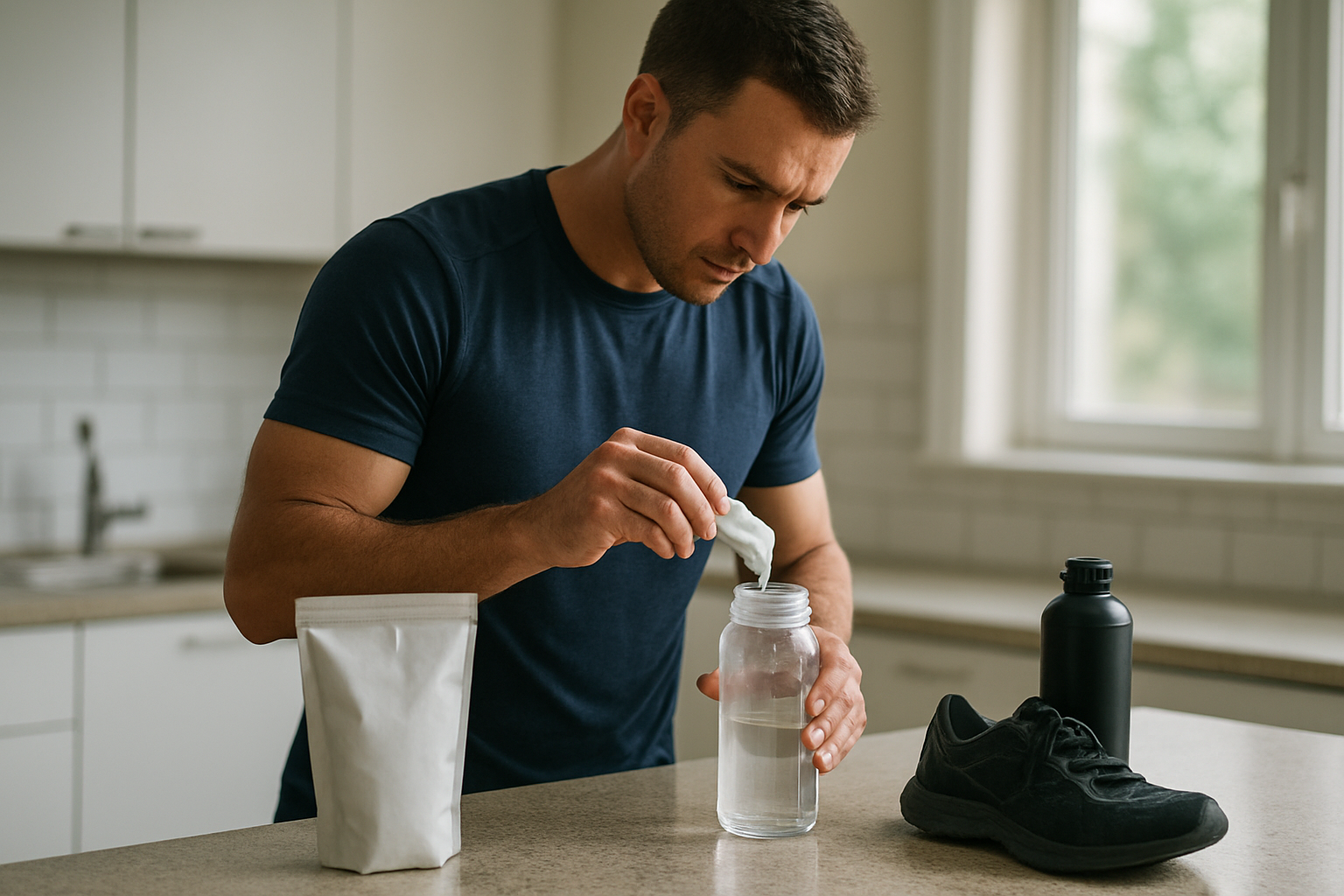
1. Start with the demands of your workout
Electrolyte powders are most relevant when fluid and sodium losses are meaningful. That usually means extended running, cycling, hiking, rowing, or similar exercise, particularly when the session lasts longer than an hour or takes place in hot and humid conditions. The American College of Sports Medicine notes that sports drinks may be useful during endurance exercise lasting more than an hour, especially when sweating is substantial, while water is generally appropriate for shorter exercise. ACSM’s exercise hydration overview provides useful context.
For a short strength workout, easy walk, or moderate session in comfortable weather, an electrolyte powder may add cost and flavor without solving a real problem. It can still be convenient if you struggle to drink plain water, but convenience is different from a proven performance benefit.
- Under 60 minutes: water is often sufficient.
- About 60–90 minutes: consider heat, sweat rate, intensity, and whether you are also consuming carbohydrates.
- Over 90 minutes: a planned fluid and fueling strategy becomes more useful.
- Long or hot sessions: sodium and carbohydrate may matter more than a long list of added minerals.
2. Read the electrolyte powder label in the right order
Marketing often emphasizes magnesium, potassium, vitamins, or exotic ingredients. For endurance hydration, start with the amount of sodium per serving. Sodium is the main electrolyte commonly lost in sweat, although individual losses vary considerably. A product that lists a token amount of sodium may not match the needs of a heavy or salty sweater.
Next, check whether the serving size matches how you will actually mix the product. One scoop in 16 ounces of water can produce a very different drink from one scoop in 32 ounces. Compare the sodium amount against the water volume, not just the number printed in large type on the front of the package.
Carbohydrate is the next major consideration. A low- or zero-sugar powder may fit a short workout or a session where you get fuel from food. A carbohydrate-containing formula may be more practical during a long endurance workout, but it should be assessed as part of your total fueling plan rather than treated as a free performance enhancer.
For background on sports drinks, electrolyte concentration, and the role of carbohydrate, see the Australian Institute of Sport sports drink fact sheet.
The table below gives a practical way to compare products.
| What to look for | Why it matters | Warning sign |
|---|---|---|
| Sodium listed per serving | Lets you match the product to sweat losses and workout conditions | Sodium is hidden in a proprietary blend or barely disclosed |
| Clear serving volume | Shows how concentrated the drink will be | Instructions are vague or encourage excessive scoops |
| Carbohydrate amount | Helps you decide whether the powder also contributes fuel | Unexpected sugar in a product marketed as calorie-free |
| Ingredient and allergen information | Supports informed use and reduces avoidable stomach problems | Unclear blend, missing allergen information, or aggressive claims |
| Independent quality testing when available | Adds confidence in manufacturing and banned-substance screening | Promises of dramatic results without verifiable evidence |
3. Compare the main types of electrolyte powders
Low- or zero-calorie powders
These products mainly provide flavor and electrolytes. They can work well when your workout is not long enough to require substantial carbohydrate, or when you prefer to obtain fuel from gels, fruit, sports food, or a regular meal. Their limitation is that they do not replace energy needs during a long event.
Carbohydrate-electrolyte powders
These combine hydration support with fuel. They may be convenient for long rides, distance runs, and races where carrying separate drinks and carbohydrates is inconvenient. The trade-off is that sweetness, concentration, and total carbohydrate may cause gastrointestinal discomfort for some people, so the formula should be practiced before competition.
High-sodium formulas
High-sodium products may be useful in selected situations, such as prolonged exercise in heat or sessions involving heavy, visibly salty sweating. They are not automatically appropriate for everyone. More sodium is not a substitute for individualized fluid planning, and it should not encourage you to drink beyond thirst or your planned needs.
4. Test tolerance before relying on a powder
A product can look excellent on paper and still be unsuitable if its flavor makes you drink too quickly, its sweetness upsets your stomach, or its concentration does not fit your bottle. Start with a normal training session rather than race day.
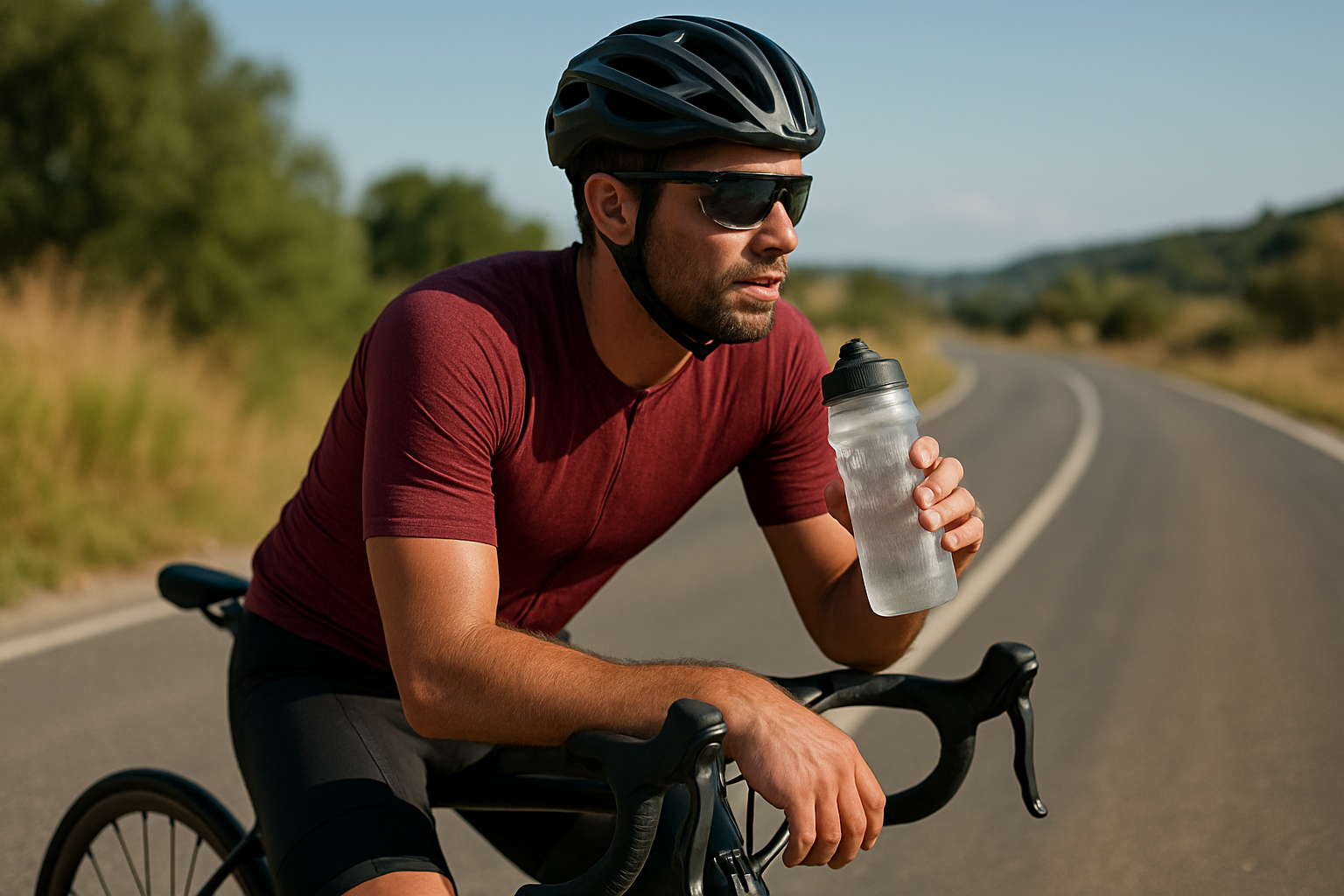
- Mix it exactly as directed first, then adjust only if the label allows flexibility.
- Notice taste, thirst, bloating, cramping, nausea, and bathroom urgency.
- Test it in the same bottle or hydration vest you plan to use.
- Record weather, workout duration, body weight before and after, and approximate fluid intake.
- Change one variable at a time so you know what caused an improvement or problem.
Research reviews emphasize that both dehydration and overhydration can create problems during endurance exercise. Drinking excessive amounts of plain water can contribute to exercise-associated hyponatremia, so the goal is not to consume as much fluid as possible. The review on rehydration during endurance exercise explains why a middle ground is more appropriate than an aggressive drinking target.
5. Consider safety, diet, and medical factors
Electrolyte powders are supplements, not replacements for a varied diet. If you have kidney disease, heart failure, high blood pressure, a fluid restriction, or take medication that affects sodium, potassium, or fluid balance, ask a qualified healthcare professional before using a concentrated product. The FDA also advises discussing supplement benefits and risks with a healthcare professional because supplements can interact with medicines and may cause adverse effects.
Stop exercise and seek prompt medical help for confusion, fainting, severe weakness, chest pain, persistent vomiting, severe headache, or unusual swelling after prolonged exercise. These symptoms should not be treated by simply taking more powder.
6. Avoid the most common buying mistakes
Choosing the most impressive ingredient list
More ingredients do not necessarily mean better hydration. Magnesium and potassium have important roles in the body, but a long list of minerals can distract from the sodium, carbohydrate, fluid volume, and taste factors that are more practical during many endurance sessions.
Ignoring total fluid intake
An electrolyte powder cannot correct a poorly planned drinking strategy. Do not use a salty drink as permission to force fluids. Your plan should account for thirst, conditions, workout duration, and your personal sweat response.
Buying based only on “sugar-free” or “natural”
Zero sugar may be useful, but it may not provide fuel for a multi-hour workout. Likewise, “natural” is not a complete measure of quality or suitability. Compare the nutrition panel and serving instructions instead.
Trying a new product during a race
Even a reputable formula can cause stomach trouble when combined with heat, effort, gels, and unfamiliar water. Test your complete strategy in training.
7. What if your current hydration plan is not working?
What if you feel thirsty quickly?
Check whether the workout is hotter, longer, or harder than usual. Also check whether the drink is too concentrated, because a very sweet mixture may be harder to tolerate. Adjust one factor at a time rather than immediately doubling the powder.
What if you finish with a headache or nausea?
Review both fluid and sodium intake, but do not assume the answer is always more electrolytes. Excessive drinking, overheating, under-fueling, and unrelated medical issues can produce overlapping symptoms. Recurrent or severe symptoms deserve professional assessment.
What if you lose a lot of weight during training?
Use several comparable sessions to estimate your sweat pattern rather than relying on one unusual day. A sports dietitian or qualified sports-medicine professional can help create a more individualized plan, particularly for marathon, ultramarathon, triathlon, or hot-weather training.
8. A practical buying checklist
- Is the powder intended for the length and intensity of your workout?
- How much sodium does one serving provide?
- How much water is one serving designed for?
- Do you need carbohydrate, or are you already fueling another way?
- Can you tolerate the flavor and concentration for several hours?
- Are ingredients, allergens, and serving directions clearly disclosed?
- Does the product fit your budget without encouraging unnecessary use?
- Have you tested it during training?
9. Next actions before you buy
First, classify your usual endurance workouts by duration, weather, and sweat level. Next, compare two or three labels using sodium per bottle, carbohydrate per bottle, serving size, and cost per serving. Finally, choose the simplest formula that meets your needs and test it on a normal training day.
If you are preparing for a half marathon, you may also find it helpful to review this beginner half-marathon training plan. For broader endurance programming, compare the demands of sprints and long-distance running before assuming the same hydration strategy applies to both.
Final verdict
The best electrolyte powder for endurance workouts is not necessarily the one with the highest sodium, the longest ingredient list, or the strongest marketing. Choose a clearly labeled product that matches your workout duration, sweat conditions, carbohydrate needs, taste preferences, and medical circumstances. For shorter sessions, water may be all you need; for long or hot endurance work, a tested electrolyte-and-fueling plan can be a practical upgrade.